

 русский
 Español


Zhejiang Chixiang Technology Co., Ltd. is a modern fluid equipment manufacturing enterprise integrating R&D, design, production, sales and service.
Fruit wine production often requires the movement of liquid or semi-liquid materials between different stages. Fruit juice may move from preparation equipment to fermentation vessels, while fermented wine may later be transferred to storage tanks, filtration equipment, or filling systems.
Flow stability can influence how smoothly these connected processes operate. Sudden changes in product movement may affect downstream equipment, especially when the transferred material contains pulp, yeast, sediment, or other suspended solids.
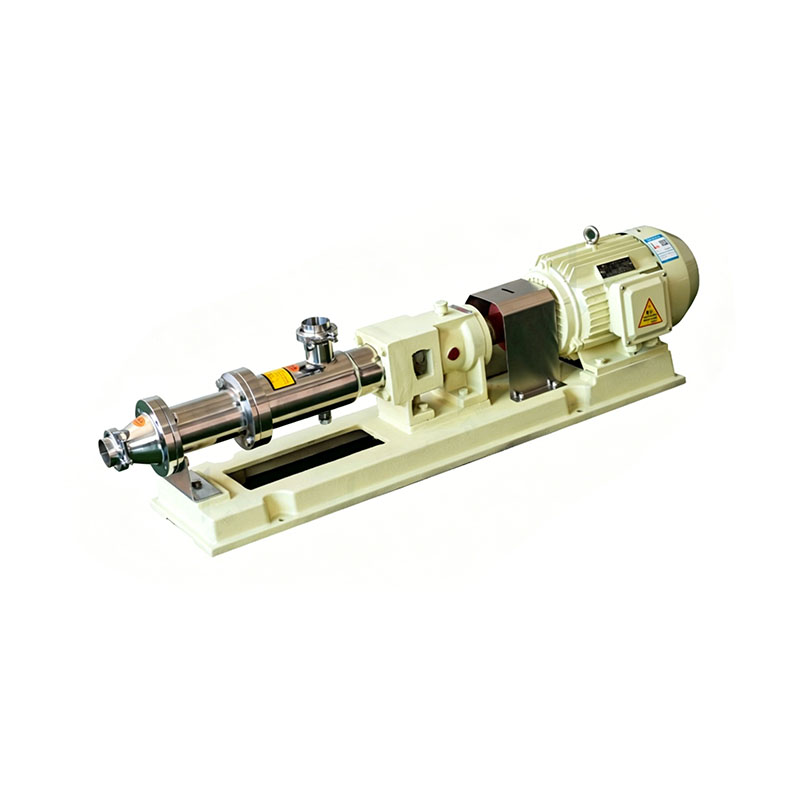
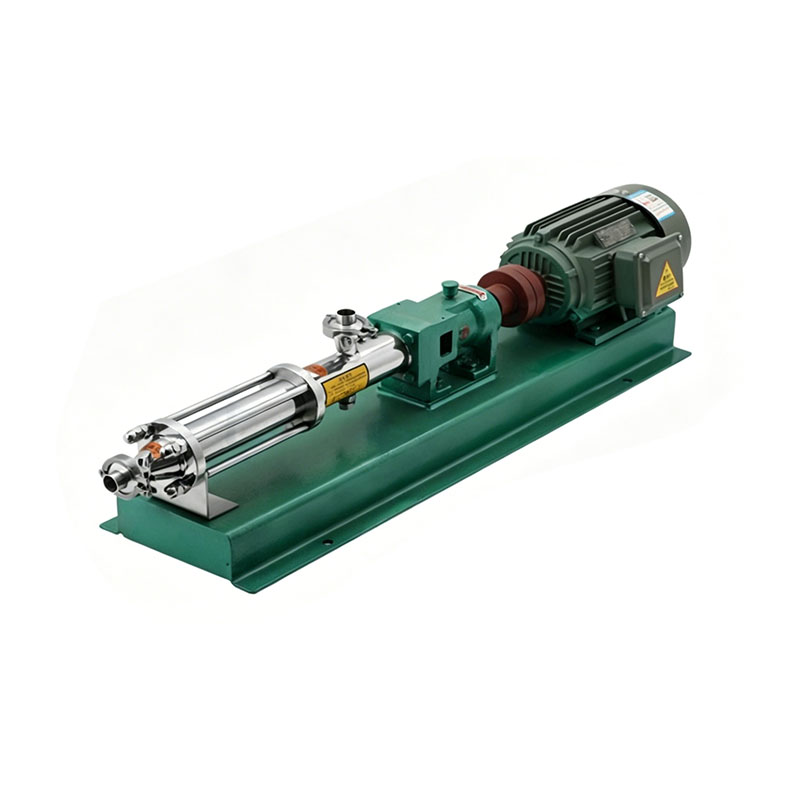
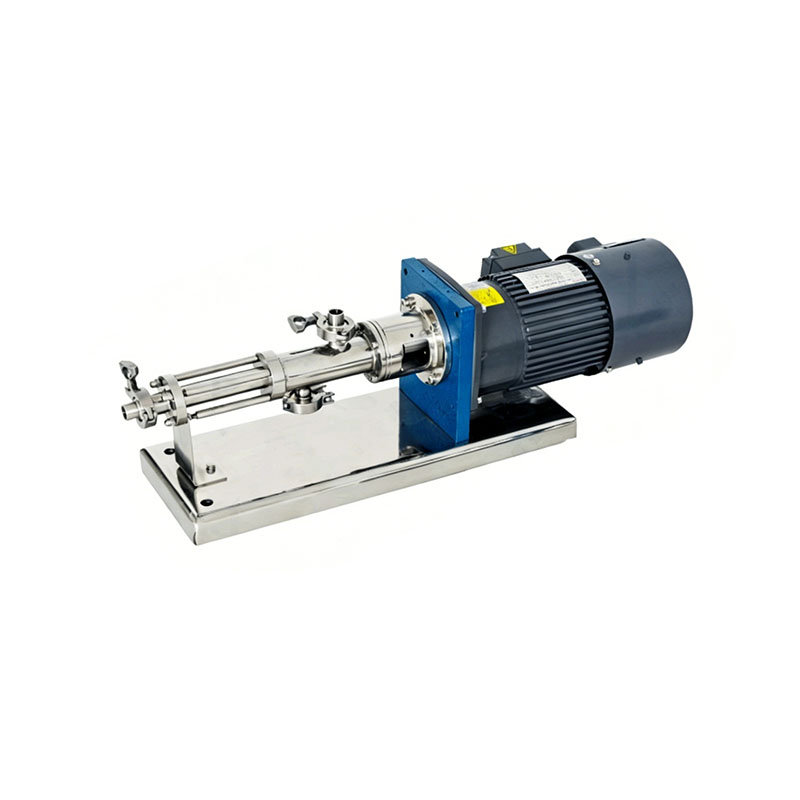
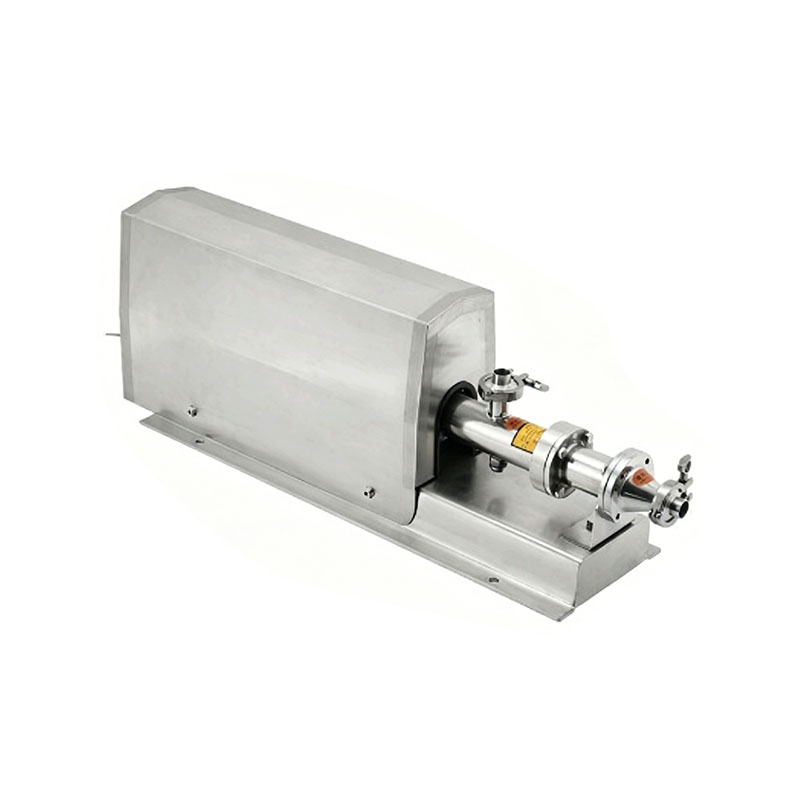
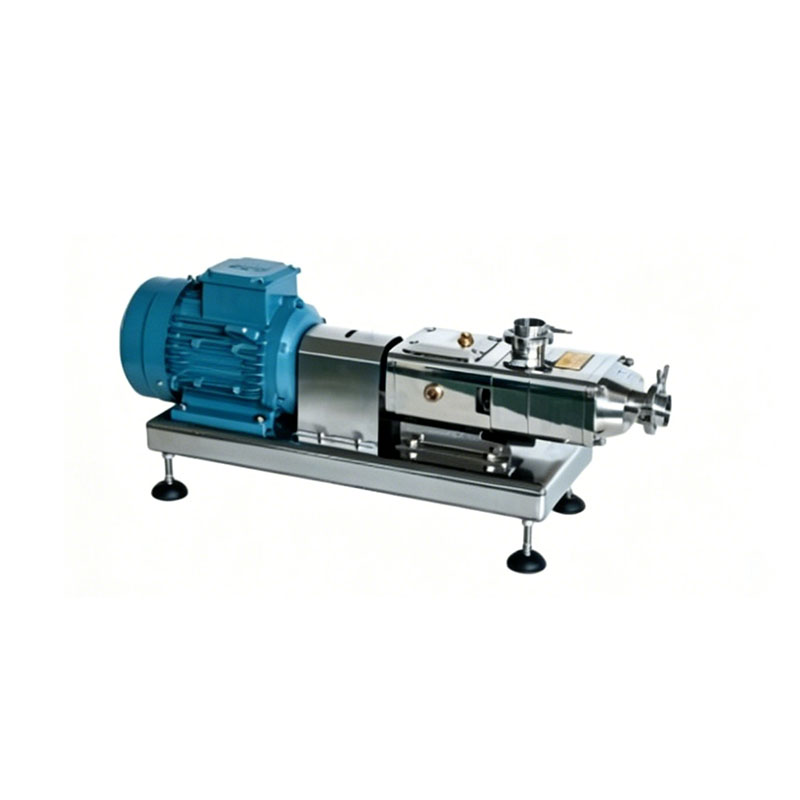
A Fruit Wine Screw Pump uses positive displacement operation to create continuous product movement. The rotor and stator form cavities that carry the product from the suction side to the discharge side. This design is commonly associated with smooth, low-pulsation transfer of wine, fruit mash, juice, yeast, and similar food-processing materials.
Controlling Flow With Screw Pump Speed
Pump speed is one of the key factors affecting product flow. A variable speed motor can allow the operator to adjust the transfer process according to the needs of the production line.
For example, a fruit wine process may require a slower transfer during a delicate processing stage and a different flow condition when moving product between storage vessels. The appropriate setting depends on viscosity, pressure, pipeline arrangement, product solids, and downstream equipment.
The positive displacement structure also provides a controlled way to move viscous materials. Fruit mash and fermented products can have different flow characteristics from clear wine, so the pump should be selected according to the actual product rather than only the nominal application.
Pressure should also be considered. Changes in pipeline resistance, valve position, elevation, or filtration equipment can influence the operating condition of the pump. Proper matching between pump characteristics and the complete transfer system helps maintain stable operation.
Integrating the Pump Into Fruit Wine Production
A Fruit Wine Screw Pump can be used in different positions within a fruit wine processing system. Depending on the configuration, it may transfer fruit mash from a receiving area, move fermented material between tanks, or transport fruit wine toward filtration and storage equipment.
Automation can further connect pump operation with other processing equipment. A control system may coordinate pump start and stop functions with tank levels, valves, or downstream equipment. Variable speed control can also allow the transfer rate to respond to changing production requirements.
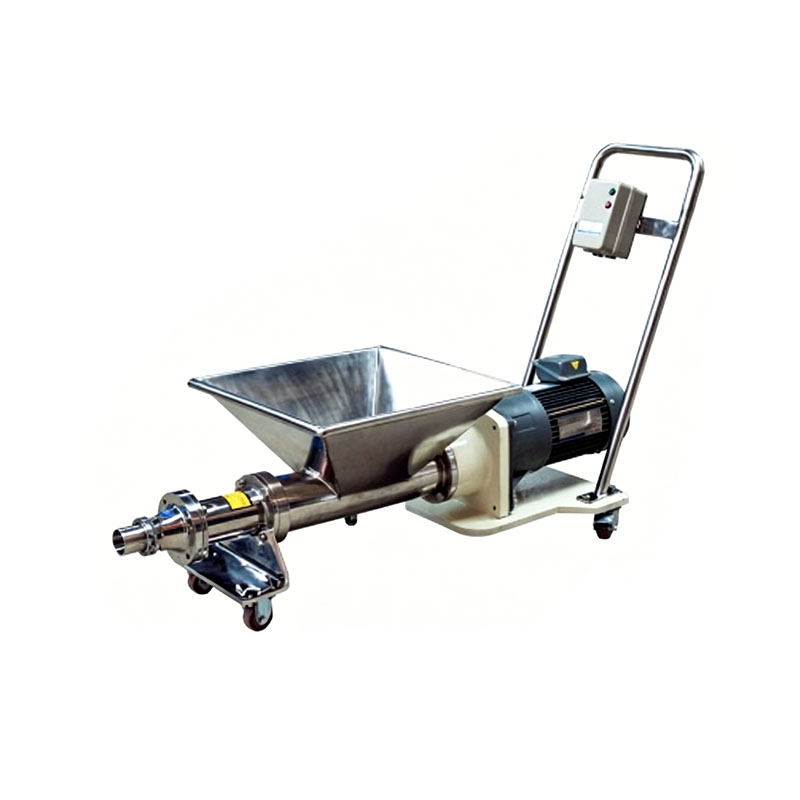
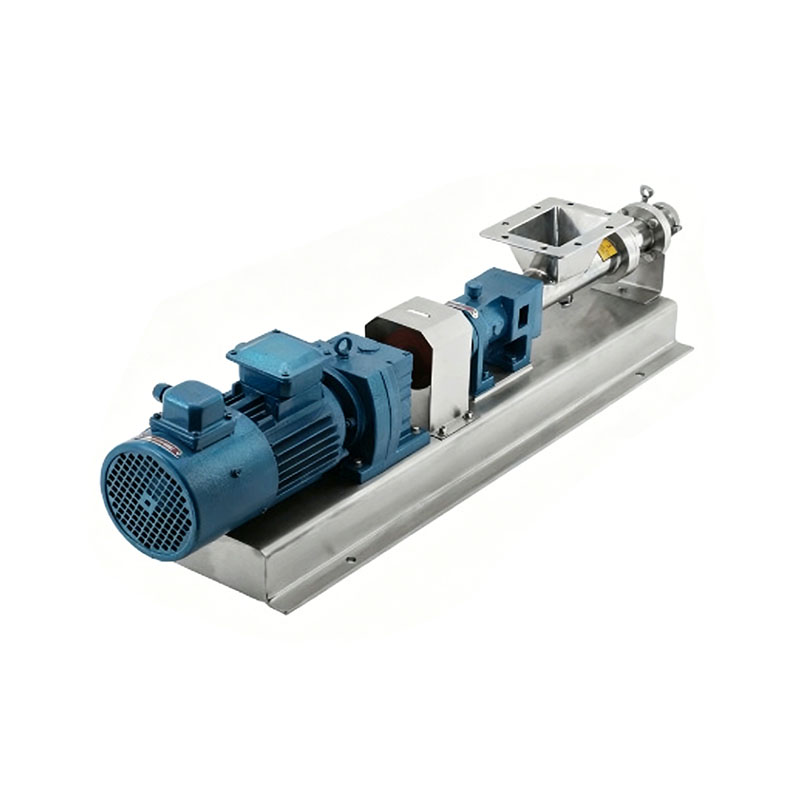
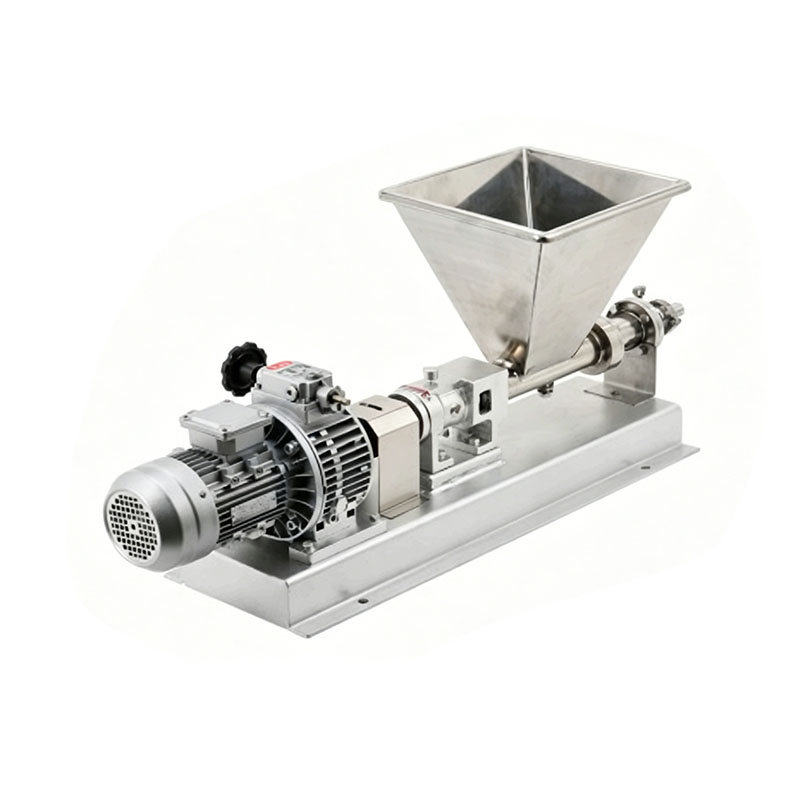
The inlet arrangement should be selected according to the material. Clear fruit wine may be supplied through a conventional pipeline, while thicker fruit mash may require a hopper or suitable feeding structure. A self-priming configuration can also be useful for certain tank transfer applications.
Pipeline layout is another part of pump selection. Suction conditions, discharge resistance, pipe diameter, bends, valves, and connection points all affect the operating environment. These factors should be reviewed together with the pump specifications.
Maintenance planning is equally important for continuous production. Regular inspection of the rotor, stator, seals, connections, and product-contact surfaces can help identify wear or residue before it affects the transfer process. Cleaning requirements should also be considered when designing the pump installation, especially when the same system handles fruit wine, juice, mash, and fermented materials.