

 русский
  Español

Zhejiang Chixiang Technology Co., Ltd. is a modern fluid equipment manufacturing enterprise integrating R&D, design, production, sales and service.
High viscosity materials can create different pumping requirements from low viscosity liquids. Adhesives, sealants, resins, silicone compounds, greases, pastes, and other thick materials may require controlled movement through a production system. When the material does not flow easily, the pump needs to provide a stable transfer process while maintaining the required dosing behavior.
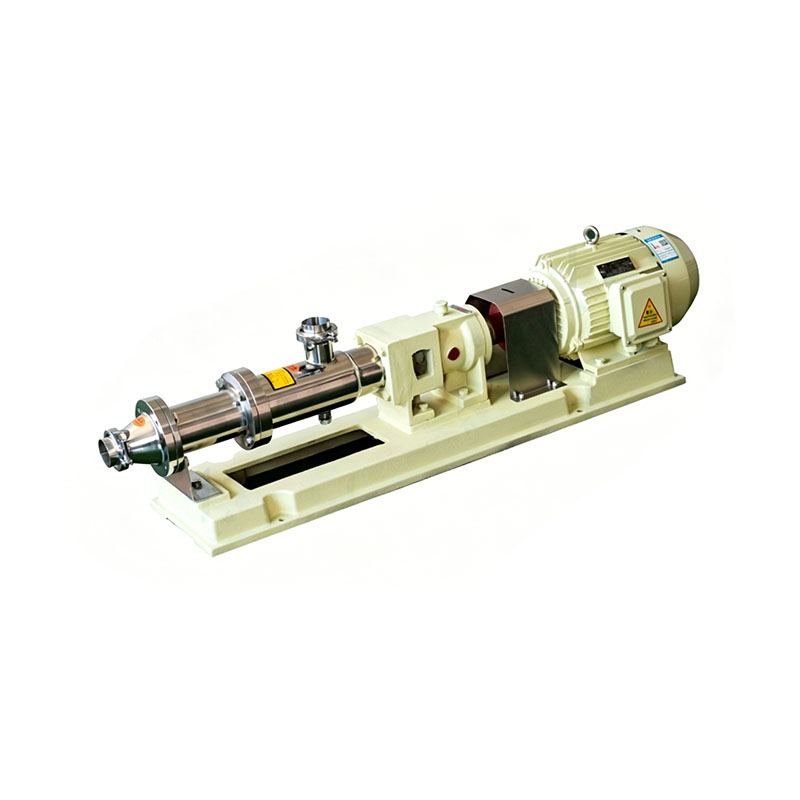
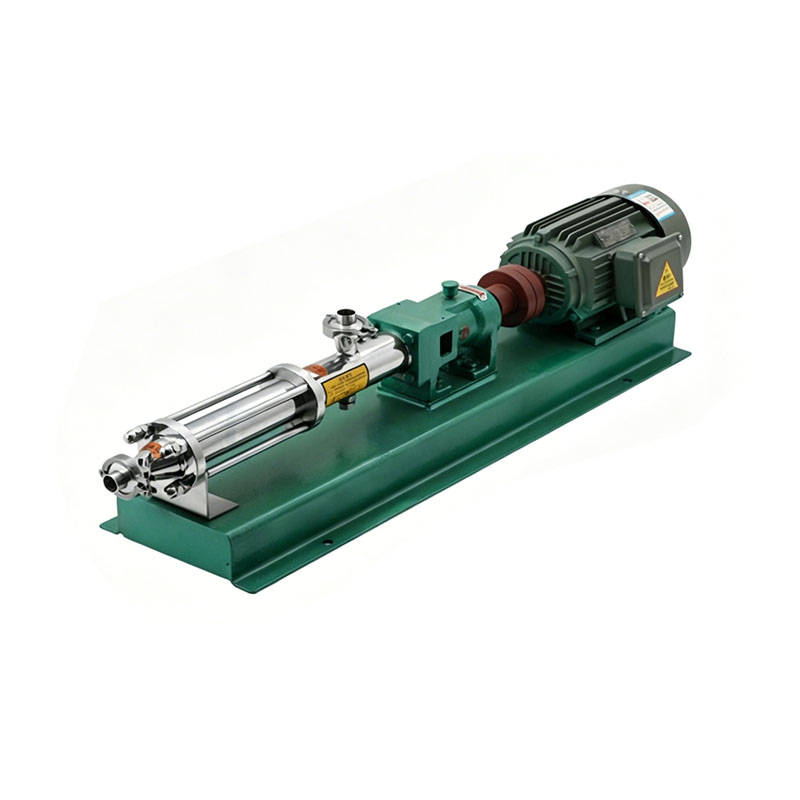
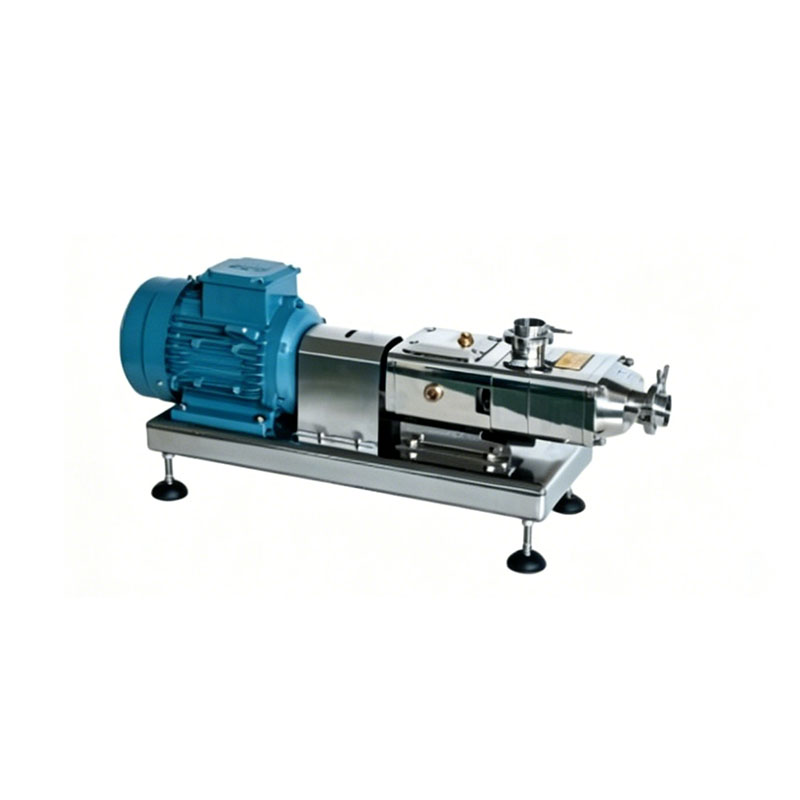
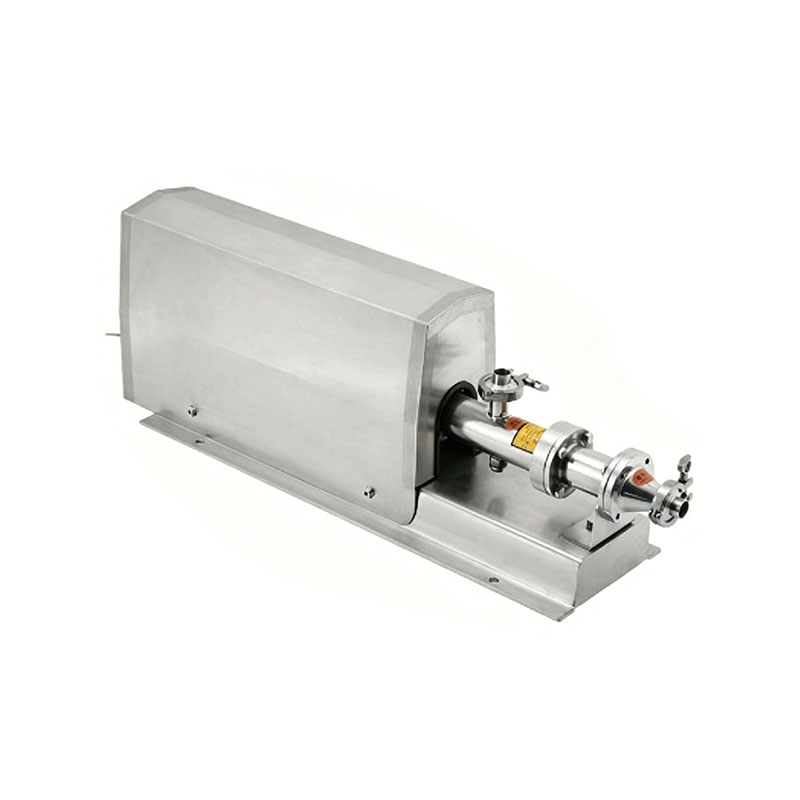
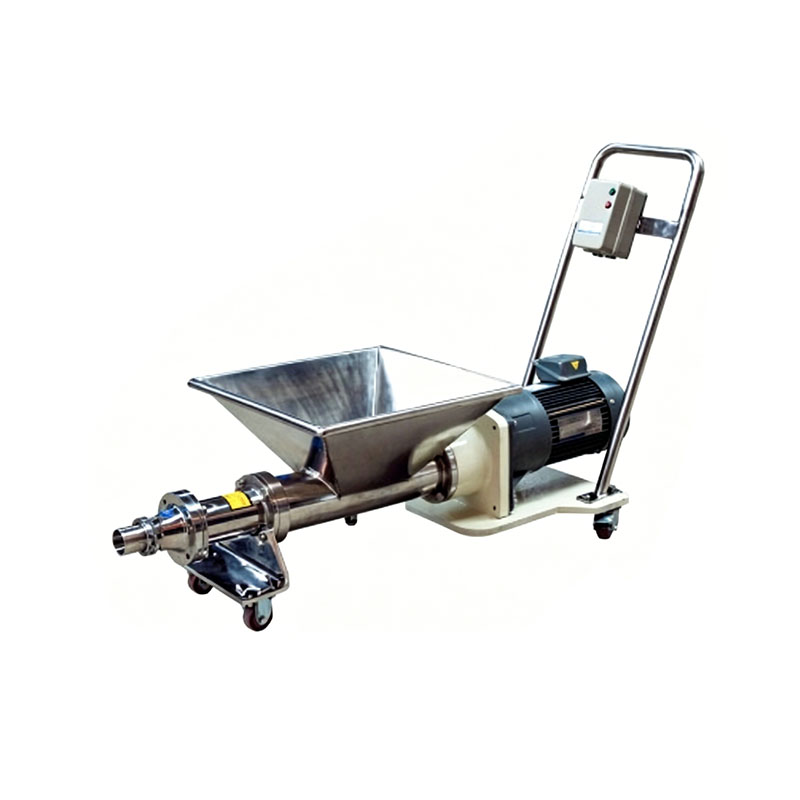
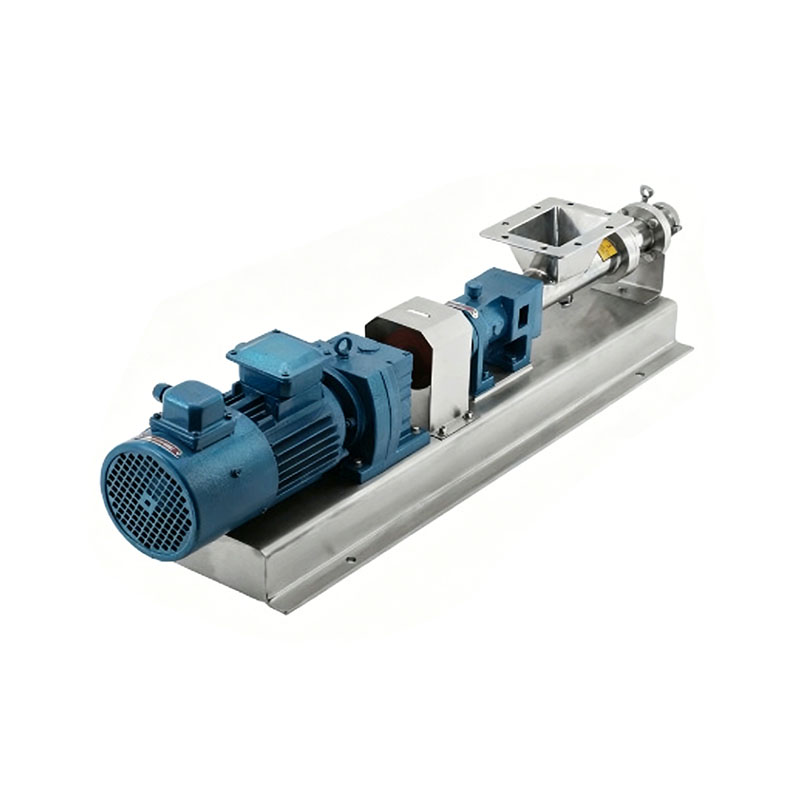
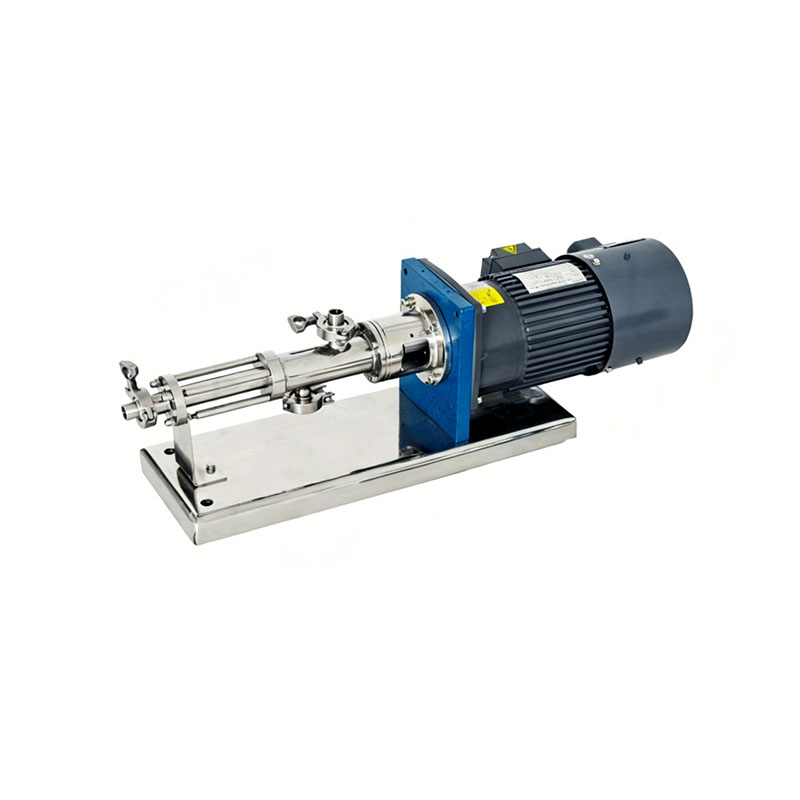
A Precision Dosing Screw Pump uses a screw based positive displacement structure to move material through the pumping chamber. The rotor and stator create sealed cavities that transport the material toward the outlet as the rotor rotates. This structure can support controlled material movement and is suitable for applications where the quantity of material delivered to the process needs to remain consistent.
Viscosity is an important factor during pump selection. A thick material may require different operating conditions from a free flowing liquid. Temperature can also affect viscosity, particularly when the material becomes easier or harder to move as its temperature changes. Understanding the material characteristics before selecting the pump can help establish suitable operating conditions.
How Screw Pump Structure Supports Viscous Material Transfer
The rotor and stator are central components in a screw dosing system. As the rotor turns inside the stator, enclosed cavities move the material from the inlet toward the discharge side. This creates a continuous transfer process rather than relying on repeated pressure pulses.
The screw structure can also support low shear material movement. This can be useful when the material needs to maintain its original characteristics during transfer. Adhesives, resins, pastes, and other sensitive compounds may require controlled handling because excessive mechanical stress can affect their condition.
Rotor speed is another important factor. Changing the rotation speed changes the material displacement over time, allowing the dosing output to be adjusted according to the process requirement. Material viscosity, pressure, temperature, and flow requirement should all be considered when determining the operating speed.
For high viscosity applications, the inlet arrangement is also important. The material needs to reach the pump chamber consistently without creating an unstable supply condition. Tank position, material level, feeding method, hose dimensions, and inlet connection can all influence the feeding process.
Selection Points for High Viscosity Dosing
When selecting a Precision Dosing Screw Pump for viscous materials, buyers can begin with the material itself. Viscosity, temperature, chemical properties, solids content, abrasiveness, and curing behavior can affect the pump configuration.
The rotor and stator materials should match the medium and operating environment. Seal materials also require attention because the seal comes into contact with the process environment and may influence service life and maintenance requirements.
The required flow rate and pressure should then be considered. A dosing system used for small volume dispensing has different requirements from a system used for continuous material transfer. The pump should be matched with the production process rather than selected only according to the material name.
Maintenance is another consideration. Rotor and stator replacement, cleaning access, sealing components, and connection design can affect the time required for routine service. A pump that handles adhesive or resin may also require attention to material curing after production stops.
For buyers working with viscous materials, the selection process therefore needs to connect material properties, pump structure, operating speed, flow requirements, pressure, sealing, and maintenance. This provides a practical basis for integrating a screw dosing pump into an industrial material handling process.