


 русский
  Español

-
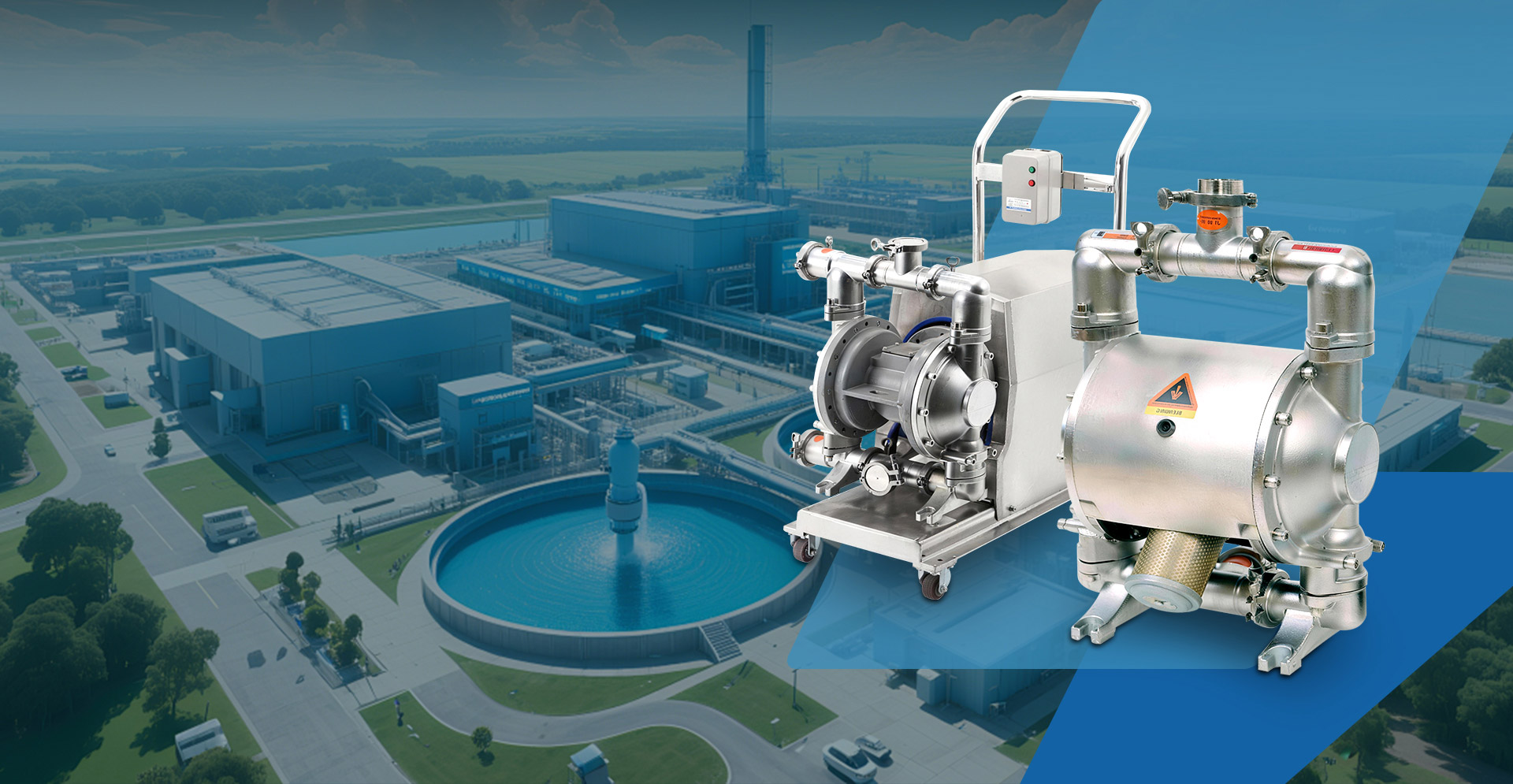
STAINLESS STEEL PUMP
PRECISION CAST PUMP, POWERFUL THROUGHOUT THE WORLD
OUR PROVIDED PRODUCTS
EXPLORE OUR
FEATURED PRODUCTS
FEATURED PRODUCTS
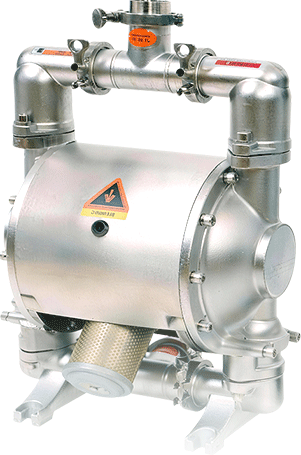
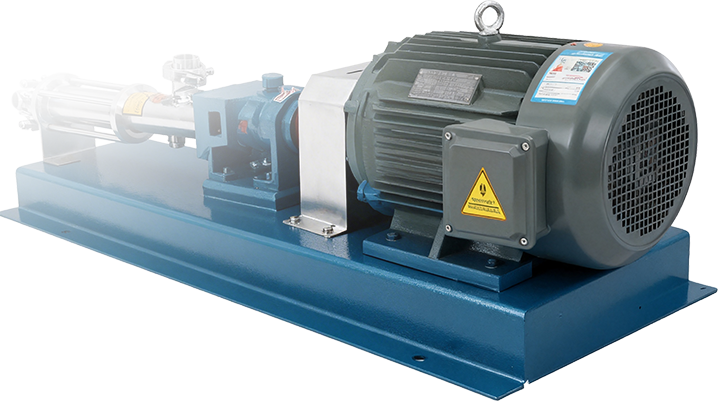
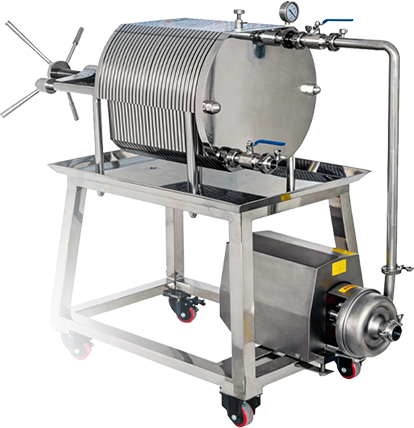
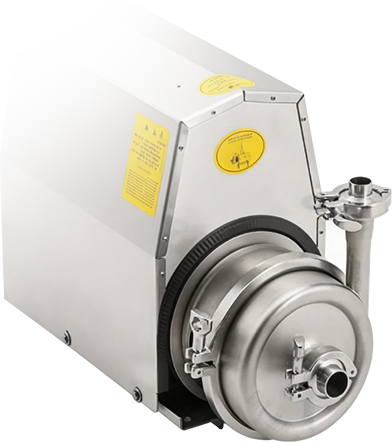
The company has a wide range of products, especially in the field of stainless steel pumps and filters, with remarkable achievements. The product series is complete, covering stainless steel sanitary grade pneumatic diaphragm pumps, etc .

TAILORED FOR
A WIDE RANGE OF INDUSTRIES
-
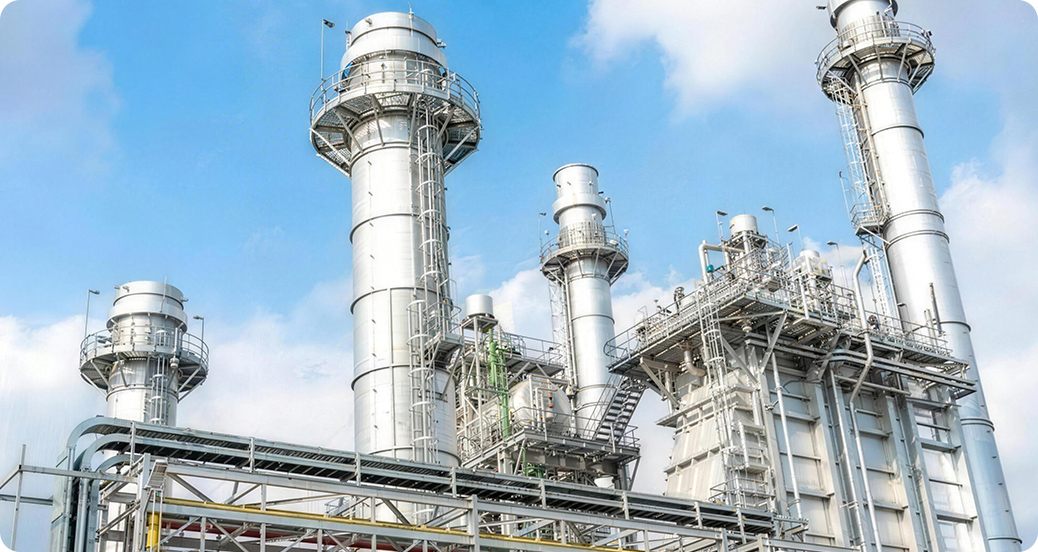
01NATURAL GAS
-
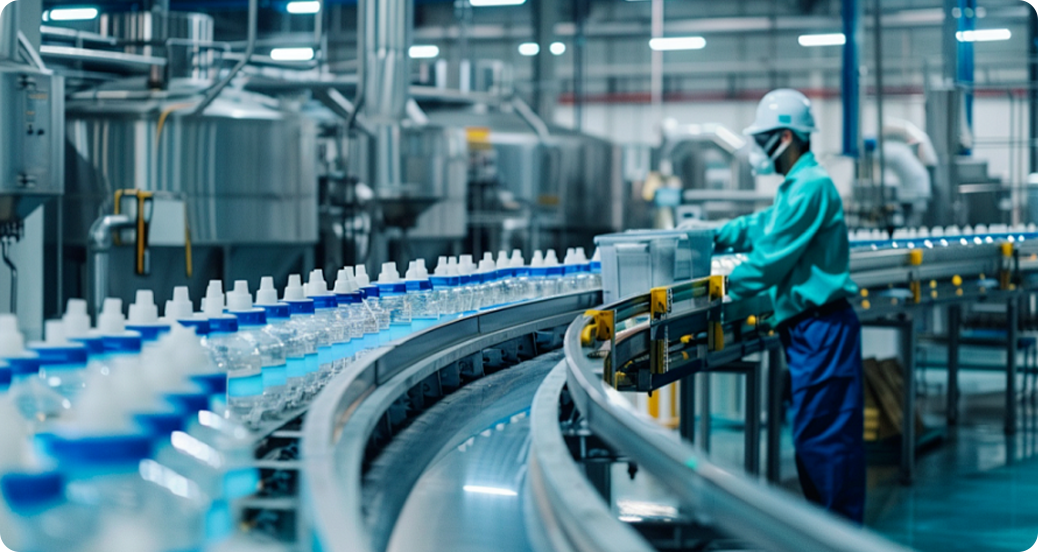
02FOOD PROCESSING
-
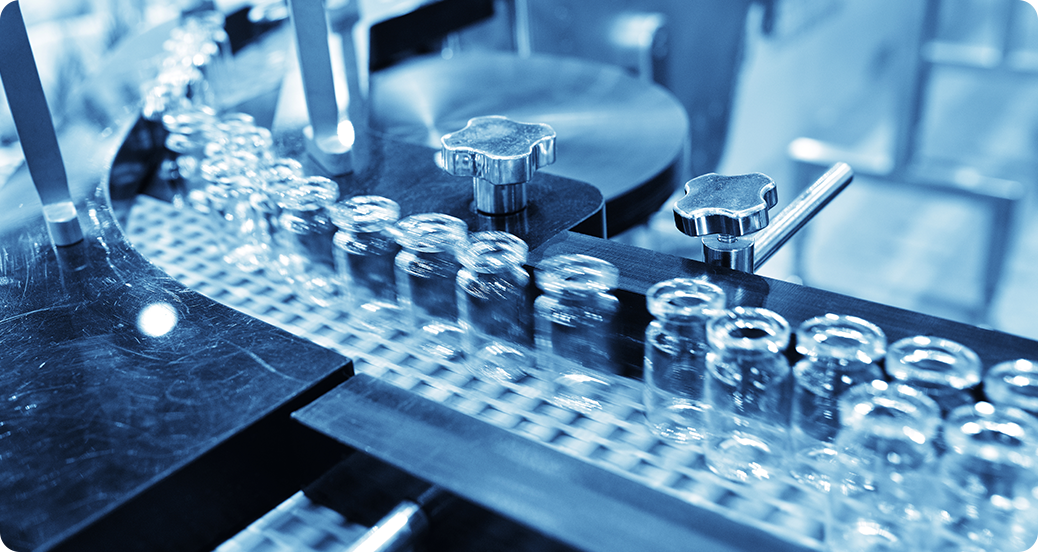
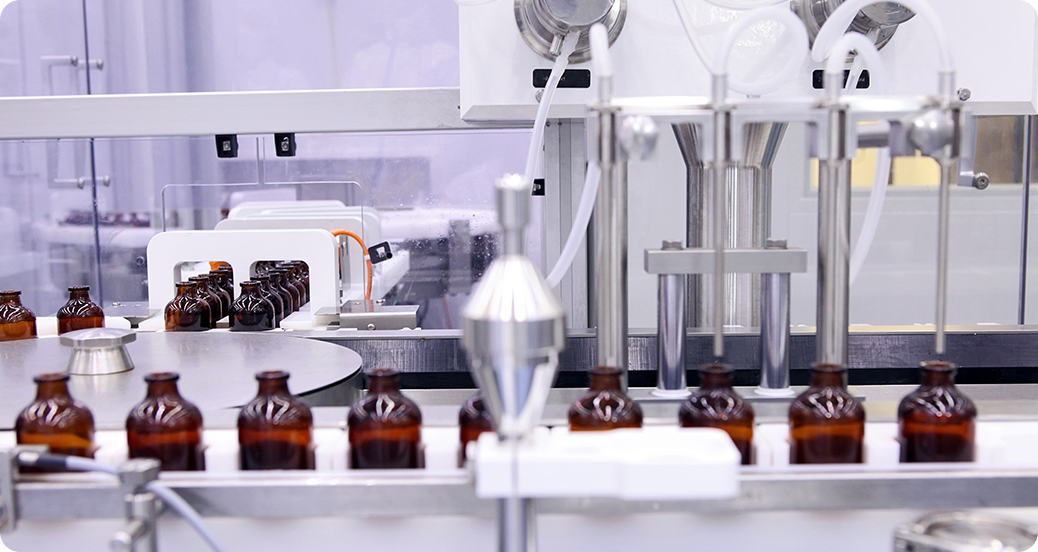
03MEDICINE
-
04DAILY CHEMICALS




ABOUT US
WHY CHIXIANG
-
INDUSTRY EXPERIENCE0+
-
EMPLOYEE0+
-
EXPORTING COUNTRY0+
-
FACTORY AREA0
WALK INTO CHIXIANG
CHIXIANG
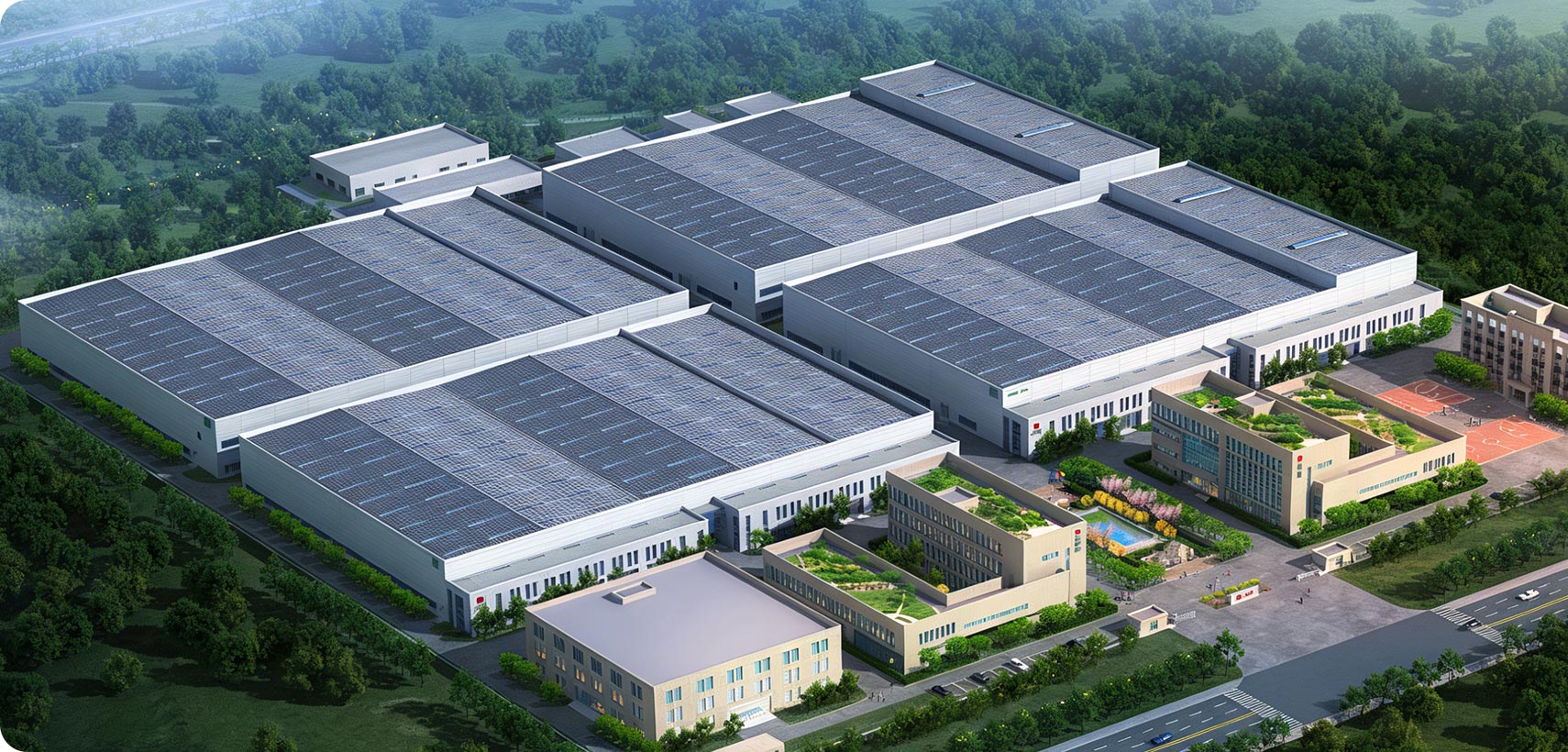
Zhejiang Chixiang Technology Co., Ltd. - Stainless Steel Pump Manufacturer & China Stainless Steel Pump Factory
Zhejiang Chixiang Technology Co., Ltd. is a modern fluid equipment manufacturing enterprise that integrates research and development, design, production, sales, and service. It focuses on the research and development and manufacturing of various pumps and filtration equipment, and is committed to providing stable, efficient, and hygienic fluid transportation and treatment solutions for multiple fields such as food, beverage, pharmaceutical, chemical, daily chemical, and environmental protection.

TAILORED FOR
FEATURED CONTENT HUB
-
-
 CERTIFICATE AND QUALIFICATIONWith authoritative qualifications and compliance certification, the quality is trustworthy.
Read More -
 ONE STOP SERVICEFull process attentive service, customized solutions, worry free and efficient one-stop implementation.
Read More -
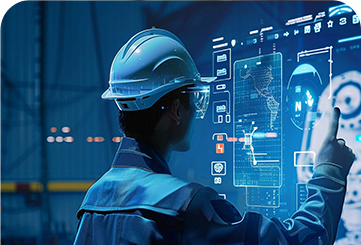 INTELLIGENT MANUFACTURINGEmpowered by intelligent technology, precision and intelligent manufacturing, leading the industry development efficiently.
Read More
LATEST UPDATES
WHAT’S NEWS
GET A QUOTE
You can contact to me using this form.

- PRODUCTS
- Stainless Steel Diaphragm Pump
- Stainless Steel Screw Pump
- Stainless Steel Plate and Frame Filter
- Stainless Steel Self-Priming Pump
- Bag Filter
- Stainless Steel Beverage Pump
- Stainless Steel Centrifugal Pump
- Stainless Steel Water Powder Mixer
- Stainless Steel Rotary Pump
- Stainless Steel Emulsifier Machine
- Stainless Steel Sine Pump
- Stainless Steel Colloid Mill
- CONTACT US
-
-
+86-13989753288

-
[email protected]

-
No. 808, Binhai 9th Road, Longwan District, Wenzhou City, Zhejiang Province

-
Copyright ©
Zhejiang Chixiang Technology Co., Ltd. All Rights Reserved.
304/316L Industrial Pump Supplier

