

 русский
  Español

Zhejiang Chixiang Technology Co., Ltd. is a modern fluid equipment manufacturing enterprise integrating R&D, design, production, sales and service.
Food processing involves many types of liquids and semi liquid products. Sauces, syrups, juices, concentrates, dairy ingredients, food oils, and liquid additives all require controlled transfer during production.
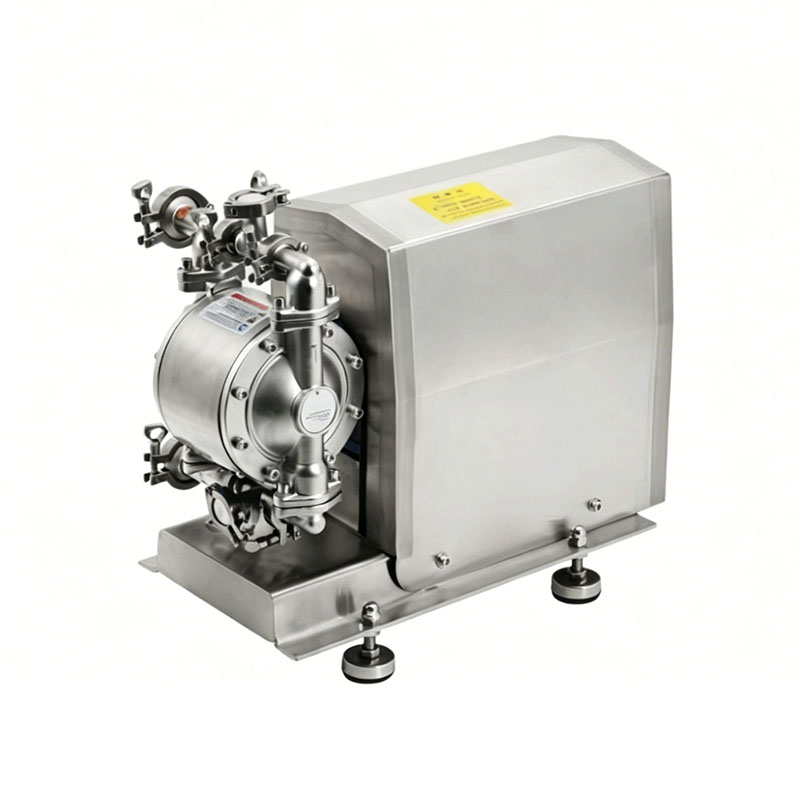
A Portable Sanitary Diaphragm Pump can support transfer between tanks, vessels, mixing systems, filling equipment, and temporary processing stations. Its portable structure allows the same pumping equipment to serve different areas when the production arrangement changes.
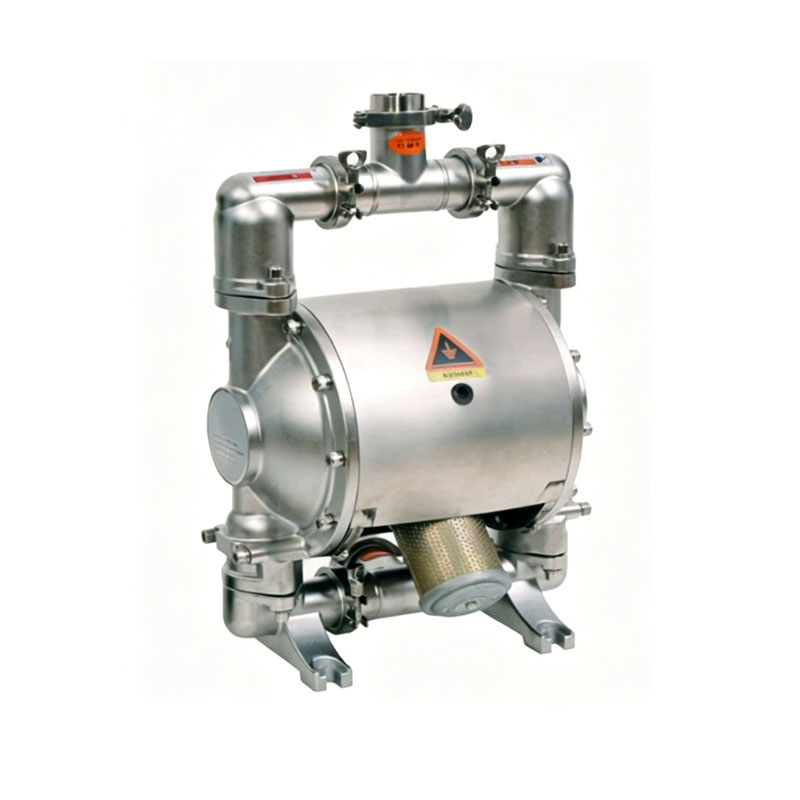
The sanitary design is particularly important because the pump comes into direct contact with food related liquids. Materials, internal surfaces, seals, valves, hoses, and connections all need to suit the application.
Stainless Steel in Food Applications
Stainless steel is widely used in food processing equipment because it provides a durable surface that can be cleaned according to the requirements of the production process.
The selected stainless steel grade should correspond with the liquid and cleaning environment. 304 stainless steel can be used for various food processing conditions, while 316 and 316L may be selected when the process calls for different corrosion resistance characteristics.
The wetted parts should receive particular attention. A pump may have a stainless steel exterior while internal valves, seats, diaphragms, and seals use different materials.
Food contact requirements should therefore be considered for every component that touches the product.
Handling Sauces and Syrups
Food products can have very different viscosities. Water based liquids flow easily, while sauces, syrups, concentrates, creams, and other thick products require a different approach.
A diaphragm pump can be configured for certain viscous liquids because the pumping action does not depend on a high speed rotating impeller. The actual suitability depends on the liquid properties and pump configuration.
The suction line is especially important when handling thick products. A suitable hose diameter, short suction path, proper connections, and appropriate tank arrangement can help support stable liquid movement.
Operators should also consider temperature when dealing with viscous food products. Some products become easier to transfer when their viscosity changes with temperature, but the pump materials must remain compatible with the process.
Hygienic Fluid Paths
A sanitary pump should provide a fluid path that can be cleaned according to the processing requirements. Smooth internal surfaces can reduce areas where food residue may remain.
The design of valve chambers, diaphragm areas, connections, and seals can affect cleaning access. Components should be selected according to the cleaning method used at the production site.
Sanitary hoses are also important. The hose material should suit the food product and cleaning chemicals. Connections should be secure and easy to inspect.
Tri Clamp style connections are commonly used in hygienic processing because they can be disconnected without complicated pipework procedures.
CIP Cleaning
Clean in Place, often called CIP, allows equipment and process lines to be cleaned without completely dismantling the system. A sanitary diaphragm pump can be selected for CIP applications when its materials and construction are compatible with the cleaning process.
Cleaning conditions can include water, alkaline cleaners, acidic cleaners, and other approved solutions. Temperature and chemical concentration should be considered when selecting the diaphragm, seals, valves, and stainless steel components.
The internal design should also allow cleaning fluid to reach the relevant surfaces. Drainability can be useful because retained liquid can complicate cleaning and product changeover.
Beverage and Brewing Applications
Beverage production can involve water, juice, syrup, concentrates, flavoring liquids, and other ingredients. Brewing operations can involve wort related liquids, additives, cleaning solutions, and other process fluids.
A portable design can help when one pump needs to serve different tanks or production areas. A trolley can allow operators to position the pump close to the required transfer point.
The pump can then be connected using sanitary hoses and suitable fittings. After the transfer, the equipment can be cleaned and moved to another location.
Dairy and Liquid Food Products
Dairy processing requires careful attention to cleaning and material compatibility. Milk based ingredients, cream, liquid additives, and other dairy products can leave residue within fluid passages if equipment is not cleaned properly.
A sanitary pump should therefore be selected with the cleaning procedure in mind. Diaphragm materials, seals, valve components, and stainless steel surfaces should all tolerate the intended process conditions.
The portable structure can also support flexible production layouts where tanks and processing equipment change position.
Maintenance During Food Production
Regular inspection can help maintain hygienic operation. Operators can check hoses, clamps, seals, diaphragms, valves, and external surfaces.
If a diaphragm shows signs of wear, it should be replaced according to the equipment maintenance procedure. Valve balls and seats should also be inspected when flow behavior changes.
Cleaning should follow the food processing facility procedure. The pump should be drained, cleaned, and stored in a condition suitable for the next production task.