

 русский
  Español

Zhejiang Chixiang Technology Co., Ltd. is a modern fluid equipment manufacturing enterprise integrating R&D, design, production, sales and service.
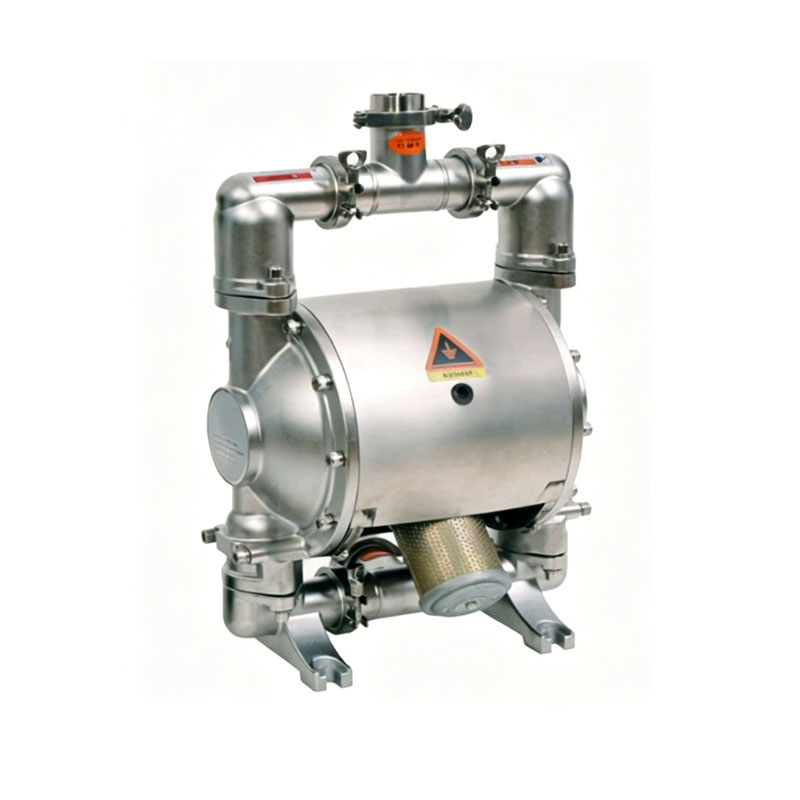
A Portable Sanitary Diaphragm Pump combines a hygienic fluid path with a movable pumping structure. It is commonly designed for applications where liquid needs to move between tanks, processing vessels, filling equipment, or temporary production points. The pump can use compressed air to create alternating movement within the diaphragm chambers, allowing liquid to pass through the inlet and outlet sections.
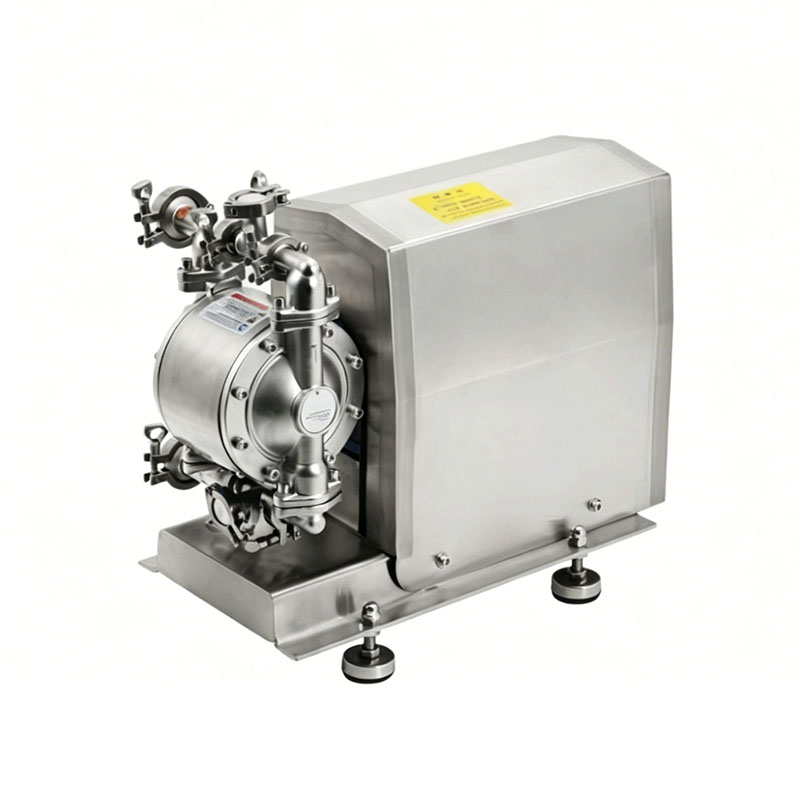
The main components include the pump body, diaphragms, air valve, valve balls, valve seats, seals, and fluid connections. Each part has a role in maintaining controlled liquid movement. Since sanitary applications can involve food ingredients, beverages, pharmaceutical liquids, or cosmetic formulations, the materials used in contact with the liquid require careful consideration.
Stainless Steel Pump Construction
Stainless steel is widely used for sanitary pump construction because it provides a durable metal surface and can be selected for various fluid handling environments. Different stainless steel grades can be considered according to the liquid, cleaning process, temperature, and surrounding conditions.
A 304 stainless steel structure can suit a range of general processing applications. 316 stainless steel can be considered where additional corrosion resistance is required for the operating environment. 316L stainless steel can also be selected for sanitary equipment where its material properties and fabrication characteristics fit the process.
Material selection should cover the complete wetted path rather than the outer housing alone. Valve components, seats, connectors, and other internal parts can also contact the liquid during operation.
Diaphragm Material Selection
The diaphragm separates the fluid chamber from the compressed air section while creating the movement required for pumping. Its material needs to match the characteristics of the liquid.
PTFE is commonly considered for applications involving certain chemicals and demanding process conditions. EPDM can be suitable for selected water based liquids and processing fluids. NBR may be considered for certain oil related applications, while Santoprene is used in some industrial fluid handling systems.
Food processing and pharmaceutical applications may require specific food contact or sanitary elastomer materials. The choice should take account of chemical compatibility, temperature, viscosity, cleaning agents, and operating conditions.
A diaphragm that works well with one liquid may not be suitable for another. For this reason, fluid information should be provided when selecting a pump.
Hygienic Internal Design
Internal design has a direct relationship with cleaning and fluid handling. A sanitary pump should provide a suitable fluid path with surfaces that can be cleaned according to the process requirements.
Smooth internal surfaces can help reduce areas where product residue may collect. Proper drainage can also support cleaning procedures by allowing liquid and cleaning solutions to move through the pump without unnecessary retention.
Sealing areas require attention as well. Seals and gaskets should match the fluid and cleaning environment. An appropriate sealing structure can help prevent unwanted leakage and support hygienic operation.
Sanitary Connections
Connection design is another important part of pump selection. Sanitary clamp connections are commonly used in food, beverage, pharmaceutical, and cosmetic processing systems because they can be disconnected for cleaning and inspection.
Hose connections are also relevant for portable equipment. A suitable hose should match the fluid, temperature, pressure, and cleaning procedure.
The inlet and outlet configuration should fit the processing system. Proper connection selection can help reduce installation difficulties and make movement between processing areas easier.
Portable Design Considerations
A portable pump needs more than a compact pumping mechanism. Its frame, handle, wheels, hose arrangement, and mounting structure can influence how easily operators move the equipment.
A trolley mounted structure can be useful when the pump needs to serve several production points. Operators can move the equipment to a tank or vessel, connect the sanitary hoses, complete the transfer, and relocate the unit when the process changes.
The portable structure should also provide convenient access to components that require inspection. Diaphragms, valves, seals, and connections may require regular attention, so maintenance access should be considered during equipment selection.
Matching Materials With the Application
Material selection should begin with the liquid. Food products, cleaning solutions, pharmaceutical liquids, cosmetic formulations, and chemical additives can have different compatibility requirements.
Temperature is another factor. A material that performs well under one temperature condition may behave differently under another. Cleaning chemicals can also affect elastomers and metal surfaces.
Viscosity and suspended particles should be considered as well. Thick liquids may require a suitable diaphragm and valve configuration, while liquids containing particles may require attention to valve materials and flow passages.