

 русский
  Español

Zhejiang Chixiang Technology Co., Ltd. is a modern fluid equipment manufacturing enterprise integrating R&D, design, production, sales and service.
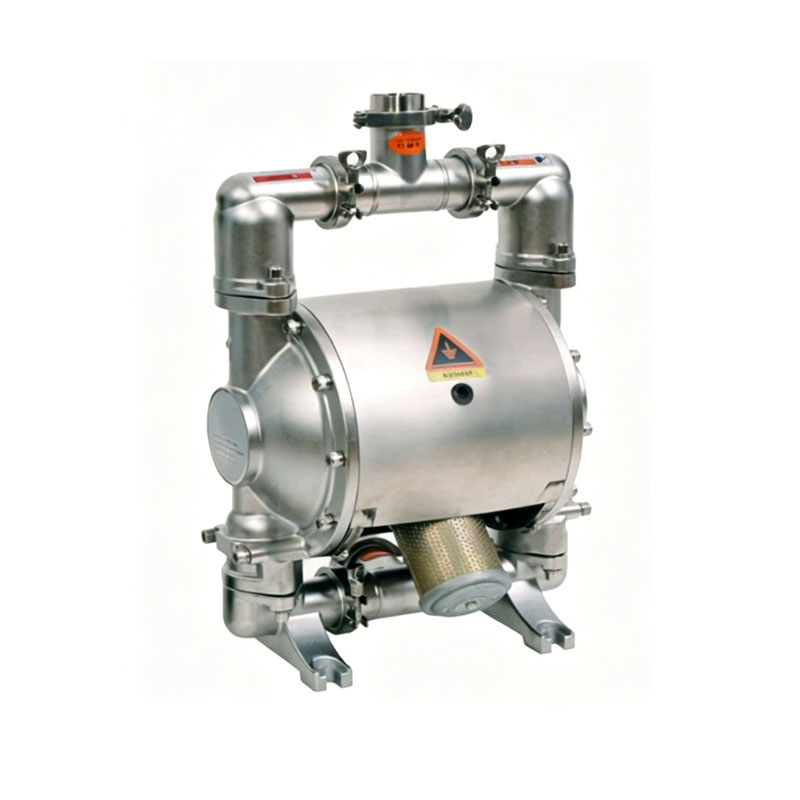
A Stainless Steel Diaphragm Pump is designed around a combination of metal components, flexible diaphragms, valves, seals, and an air distribution system. Each component has a specific role in transferring liquid while keeping the pumping process separated from the compressed air mechanism.+
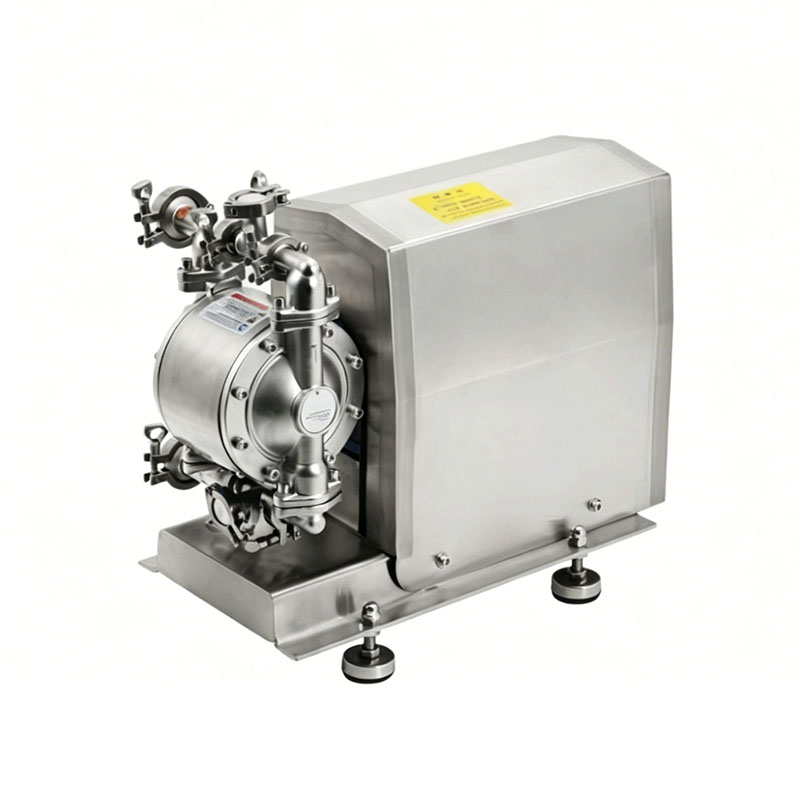
Stainless steel is commonly selected for the pump body when the equipment needs a durable metal structure and compatibility with particular industrial fluids. The actual stainless steel grade should be selected according to the liquid being handled, operating environment, temperature, cleaning method, and other application conditions.
The pump body contains the fluid passages that connect the inlet and outlet. These passages should provide a suitable route for the liquid while allowing the diaphragm and valve components to operate correctly.
304, 316, and 316L Stainless Steel
Material selection is an important part of pump design. 304 stainless steel is commonly used for equipment exposed to general industrial fluids and suitable processing environments. 316 stainless steel contains additional alloying elements that can provide different corrosion resistance characteristics in selected applications.
316L stainless steel is also used in applications where its particular material properties and fabrication characteristics are required. The choice between different grades should not be based on the material name alone. The chemical composition of the transported liquid, concentration, temperature, cleaning process, and contact conditions should all be considered.
Wetted parts deserve particular attention because they come directly into contact with the pumped fluid. A pump body may use stainless steel while other wetted components use different materials selected for compatibility with the application.
Diaphragm Material Selection
The diaphragm is a central component of a diaphragm pump. It moves back and forth to create suction and discharge within the pumping chambers.
PTFE is often selected for applications involving certain chemicals and demanding fluid conditions. EPDM can be suitable for selected water based and chemical applications. NBR is commonly associated with certain oils and industrial fluids, while Santoprene can be used in applications requiring a flexible elastomeric diaphragm.
No diaphragm material is suitable for every fluid. Chemical compatibility should be reviewed before a pump is selected. Temperature, concentration, pressure, viscosity, and exposure time can all influence material behavior.
The diaphragm material should therefore be considered together with the pump body, valve balls, valve seats, seals, and other wetted components.
Valve and Sealing Components
Valve balls and seats control the direction of liquid movement through the pump. When the diaphragm chamber changes pressure, the valves respond to the pressure difference and allow fluid to move through the intended flow path.
The valve material can be stainless steel, elastomer, plastic, or another suitable material depending on the pump design and application.
Sealing components also have an important function. They help separate the fluid path from the surrounding environment and support reliable pump operation.
A suitable combination of diaphragm, valve, seat, and sealing materials can help the pump operate effectively under the intended conditions.
Pump Flow Path Design
The internal flow path affects how liquid moves through the pump. A practical design should allow fluid to enter the chamber, pass through the valve system, and leave through the discharge connection without creating unnecessary restrictions.
Port configuration is also relevant during installation. Threaded, flanged, and sanitary connections can be selected for different industrial systems.
The connection type should match the existing pipework and the requirements of the process. Proper installation can help reduce leakage and mechanical stress around the pump connections.
Design for Different Applications
Chemical processing can require materials that tolerate selected corrosive liquids. Food and beverage processing may require hygienic construction and suitable fluid contact materials. Pharmaceutical applications can place additional attention on cleaning, surface condition, and contamination control.
Water treatment may involve liquids containing suspended particles, while paint and coating applications can involve viscous or chemically active fluids.
A Stainless Steel Diaphragm Pump should therefore be selected according to the complete operating environment rather than by pump body material alone.