

 русский
  Español

Zhejiang Chixiang Technology Co., Ltd. is a modern fluid equipment manufacturing enterprise integrating R&D, design, production, sales and service.
Many industries require reliable equipment for transferring liquids while maintaining clean processing conditions. Food production, pharmaceutical manufacturing, and chemical processing all involve different types of fluids that need suitable handling solutions.
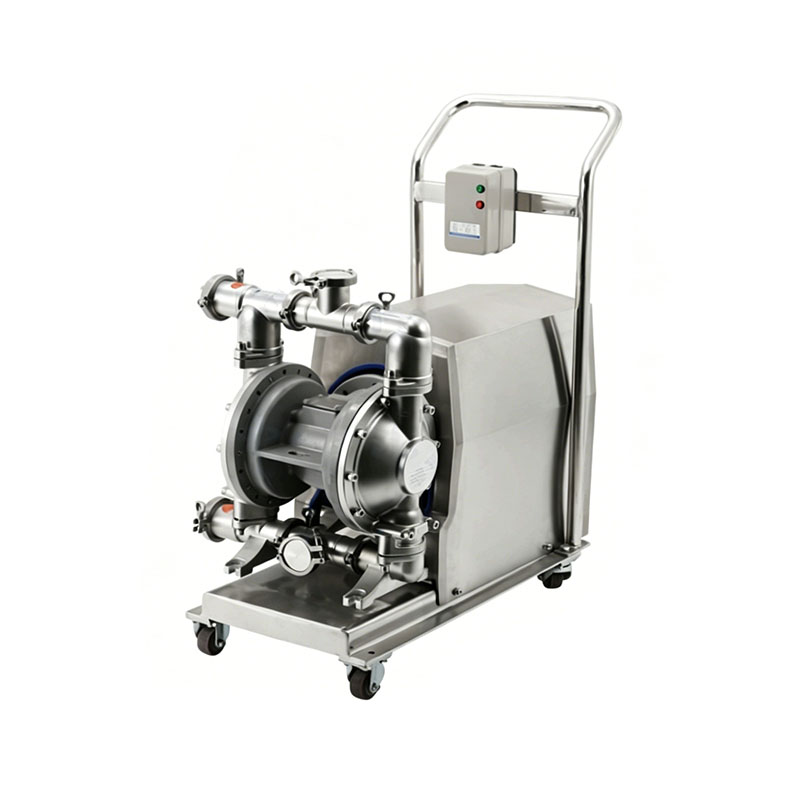
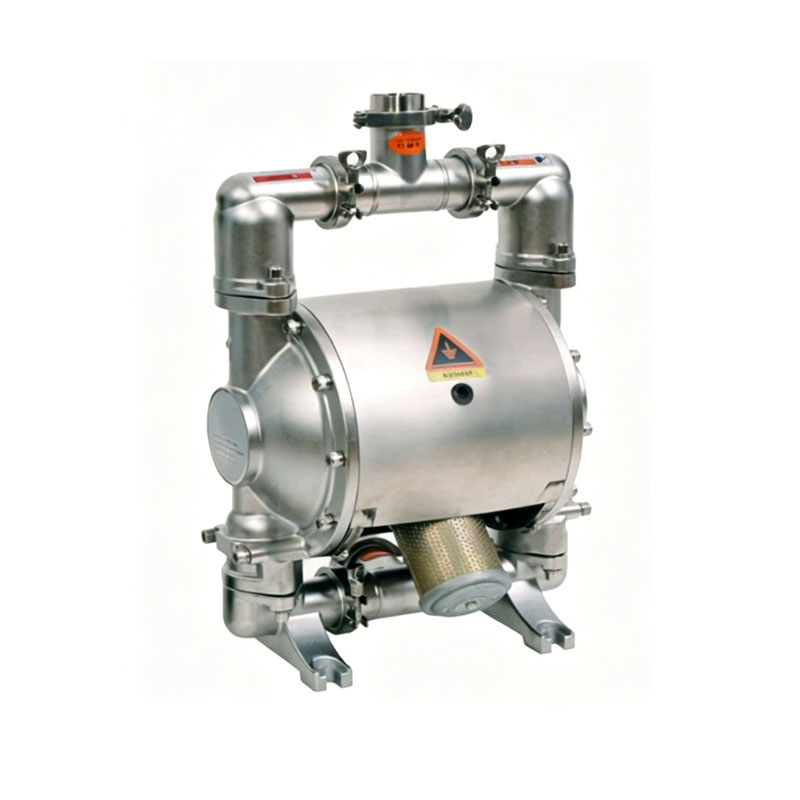
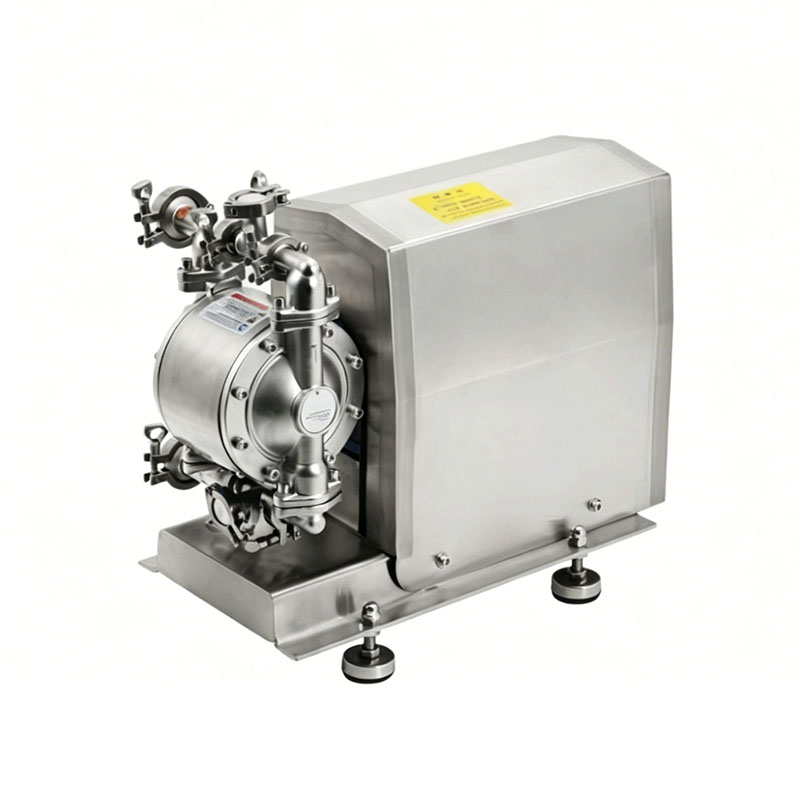
A Sanitary PTFE Diaphragm Pump is designed for applications where hygiene, material compatibility, and safe liquid movement are important considerations. The combination of sanitary design and PTFE diaphragm material allows the equipment to support various production environments that require careful fluid management.
In food and pharmaceutical industries, equipment selection is closely connected with product safety and processing requirements. Pump systems need to match the characteristics of the materials being transferred while supporting cleaning procedures and daily operation.
Understanding Sanitary PTFE Diaphragm Pump Design
A Sanitary PTFE Diaphragm Pump uses a diaphragm structure to separate the transferred liquid from the mechanical driving area. This design helps support clean operation and reduces direct contact between process fluids and internal mechanical parts.
The main components generally include:
Pump Body
The pump body provides the main structure for liquid movement. Materials used in sanitary applications are selected according to processing requirements and contact conditions.
PTFE Diaphragm
The PTFE diaphragm is an important part of the pumping system. PTFE material is commonly considered for applications involving chemical exposure, food processing environments, and special liquid handling.
The diaphragm movement creates changes in pressure that help move liquids through the pump chamber.
Valve System
The valve system controls liquid movement during operation. Proper valve design supports stable fluid transfer and helps maintain consistent processing conditions.
Applications in Food Processing
Food production requires equipment that can support hygienic processing environments. Many food products involve liquid ingredients, sauces, beverages, and processing materials that require careful transfer.
A Sanitary PTFE Diaphragm Pump can be applied in areas such as:
- Beverage ingredient transfer
- Sauce processing
- Liquid food handling
- Flavor solution movement
Food manufacturers often consider several factors when selecting pumping equipment. These factors include material compatibility, cleaning procedures, and the characteristics of the products being transferred.
The PTFE diaphragm structure can support applications where food materials need careful handling. The equipment design helps production teams manage liquid movement while following hygiene management practices.
Applications in Pharmaceutical Processing
Pharmaceutical manufacturing involves strict requirements for liquid handling systems. Many production processes require equipment that supports clean operation and suitable material selection.
A Sanitary PTFE Diaphragm Pump can be used for:
- Process liquid transfer
- Laboratory fluid movement
- Pharmaceutical ingredient handling
In pharmaceutical environments, equipment materials and internal structures receive careful attention. Manufacturers evaluate whether pump components match the processing conditions and cleaning requirements.
PTFE materials are commonly considered in applications where chemical compatibility and clean processing conditions are important.
Applications in Chemical Processing
Chemical industries handle many types of liquids with different properties. Some fluids may require materials that can withstand chemical contact during operation.
Sanitary PTFE Diaphragm Pump systems can support applications involving:
- Chemical solution transfer
- Corrosive liquid handling
- Industrial process fluids
When used in chemical environments, companies usually evaluate:
- Fluid characteristics
- Material compatibility
- Operating conditions
- Maintenance requirements
PTFE materials are selected for certain applications because of their ability to handle various chemical environments.
Importance of PTFE Material Selection
Material selection plays an important role in pump applications. Different industries have different requirements based on the liquids being transferred.
PTFE is commonly considered because of several characteristics:
Chemical Compatibility
PTFE materials can work with various chemical media, making them suitable for applications involving special liquids.
Food and Pharmaceutical Applications
In sanitary environments, material selection affects cleaning procedures and product contact considerations.
Stable Performance
Material properties influence how equipment performs under different operating conditions.
Hygienic Design Considerations
Sanitary equipment requires careful design planning. A suitable pump system should support cleaning activities and daily maintenance.
Important design factors include:
Surface Structure
Smooth surfaces can support cleaning procedures and reduce residue accumulation during operation.
Internal Flow Path
The internal design affects liquid movement and cleaning convenience.
Maintenance Access
Convenient inspection and maintenance help production teams manage equipment conditions.
Selecting Pump Solutions for Different Industries
Choosing a Sanitary PTFE Diaphragm Pump requires consideration of several application factors.
Liquid Characteristics
Companies review:
- Chemical properties
- Viscosity
- Temperature conditions
- Product composition
- Production Environment
Important factors include:
- Processing requirements
- Installation conditions
- Cleaning methods
- Operation procedures
- Maintenance Planning
Regular inspection and proper maintenance support stable equipment operation. Production teams often establish procedures for checking diaphragms, valves, seals, and other components.
Supporting Clean Processing Requirements
Sanitary PTFE Diaphragm Pump systems are used in food, pharmaceutical, and chemical industries where clean liquid transfer is an important part of production. By considering material selection, application conditions, hygiene requirements, and maintenance practices, businesses can select suitable pumping solutions for their processing environments.