

 русский
 Español


Zhejiang Chixiang Technology Co., Ltd. is a modern fluid equipment manufacturing enterprise integrating R&D, design, production, sales and service.
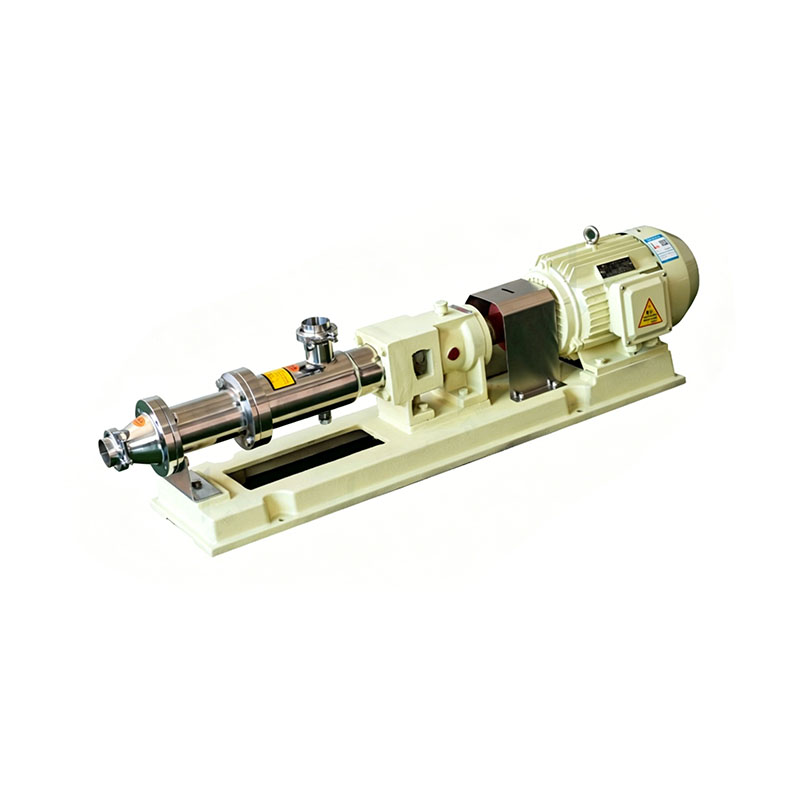
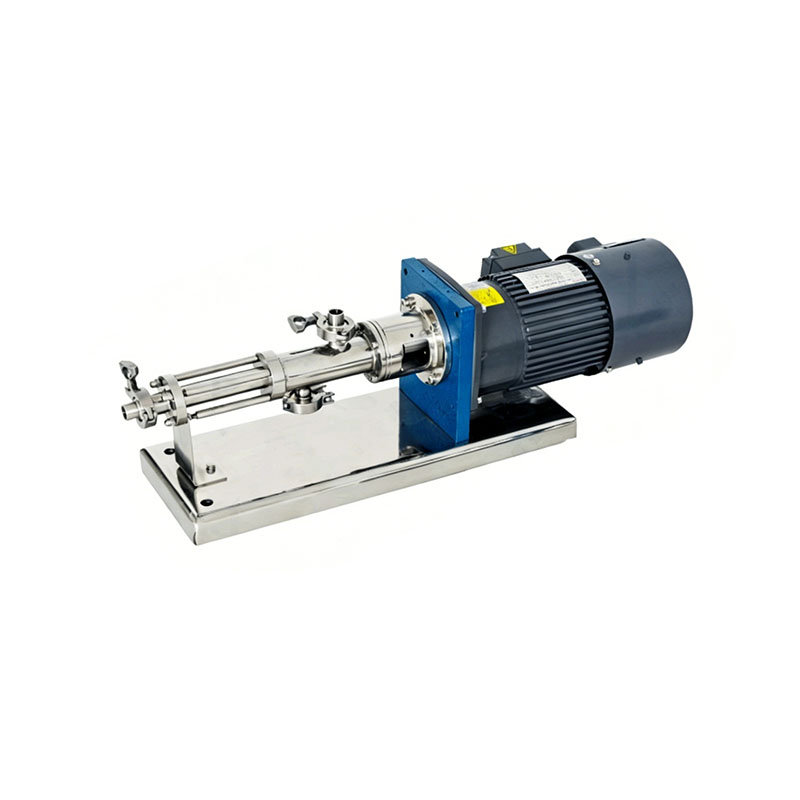
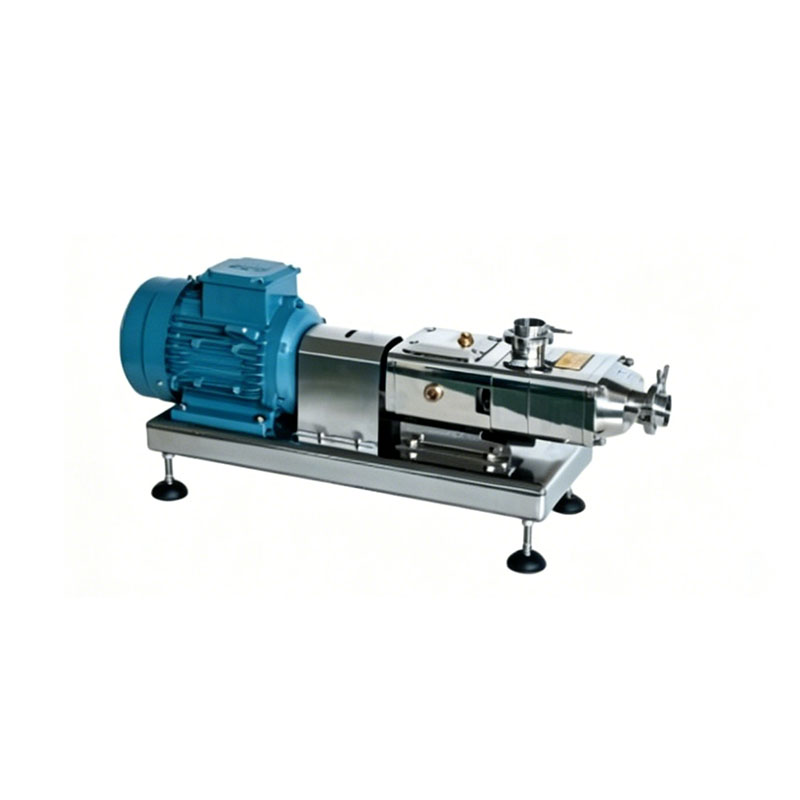
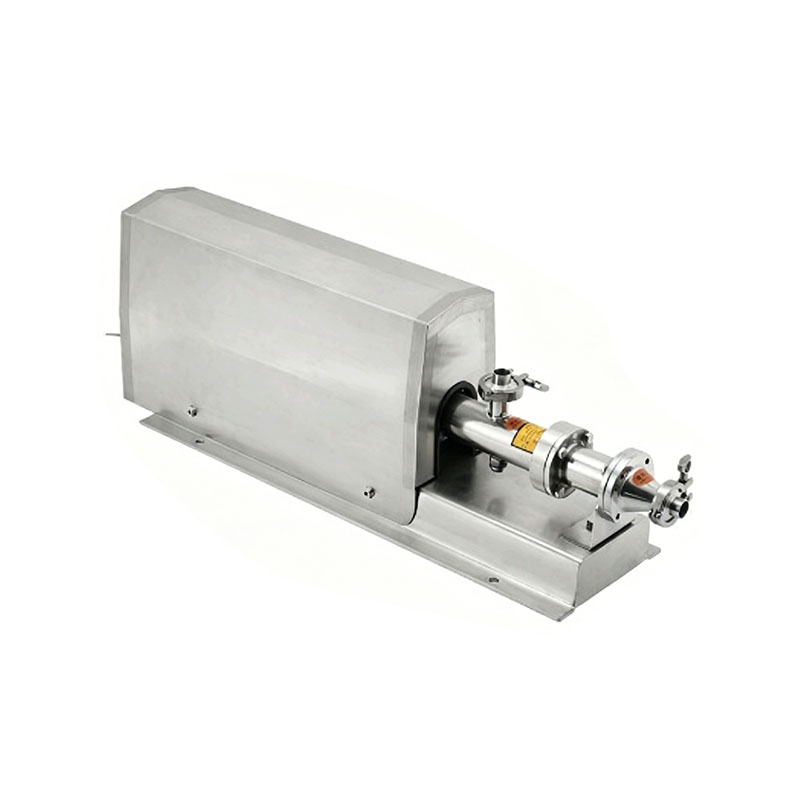
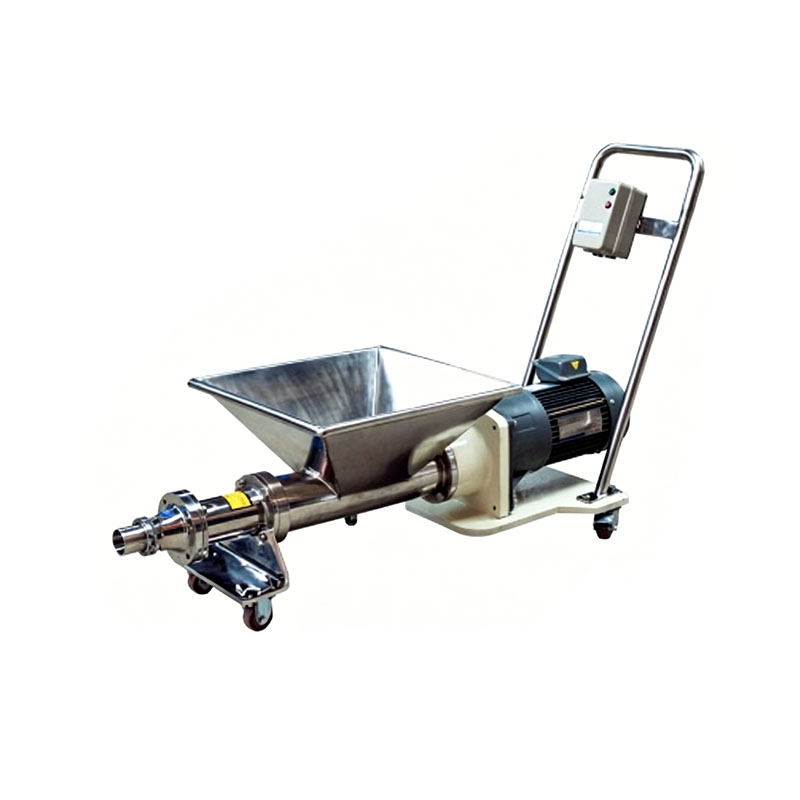
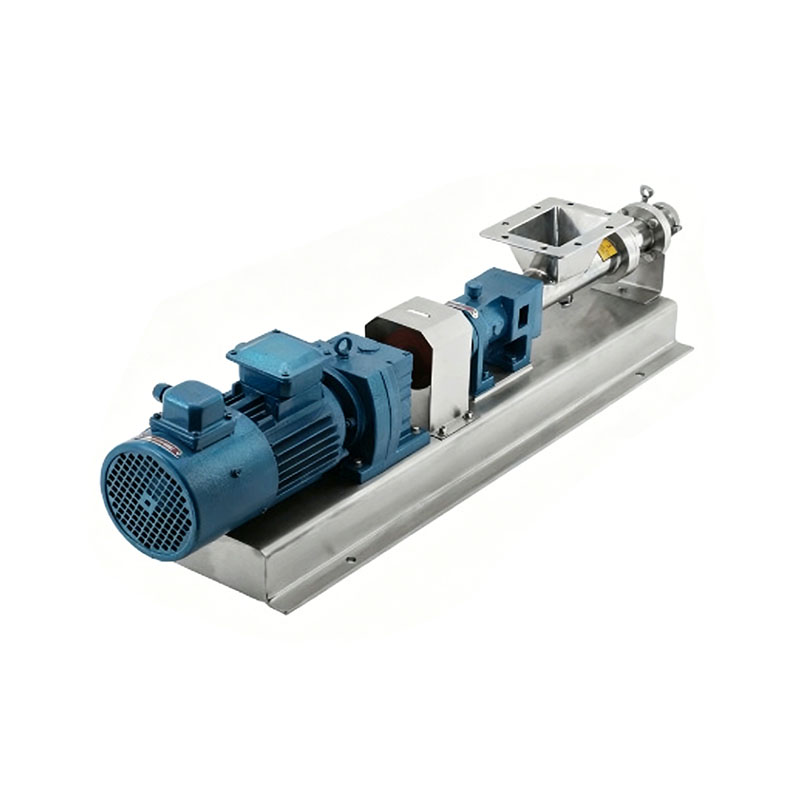
Fruit wine production involves more than fermentation and flavor control. Moving fruit juice, fermented wine, and liquid containing fine pulp between tanks can also affect product quality and production efficiency. A suitable Fruit Wine Screw Pump helps wineries handle these transfers with a steady flow while reducing unnecessary agitation. For manufacturers and processing equipment buyers, understanding pump selection, cleaning requirements, and material compatibility can help prevent common production problems and support smoother daily operations.
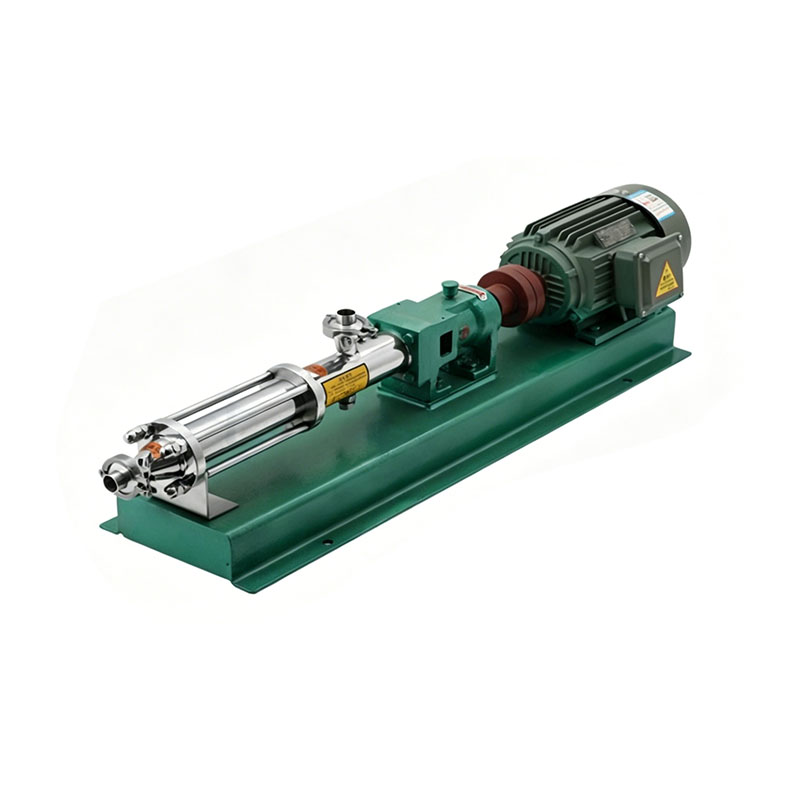
Gentle Transfer Helps Preserve Wine Quality
Fruit wine may contain delicate aromas, natural pigments, and suspended fruit particles. Excessive turbulence during transfer can introduce unwanted air or disturb the liquid, particularly when moving wine between fermentation, storage, and filling equipment. A screw pump uses the progressive movement of liquid through its pumping chamber to provide a continuous flow. Selecting the right model can help reduce disruptive flow changes and support careful handling throughout the production process.
Match Pump Design to Different Fruit Materials
Apple, grape, berry, and other fruit wines can have different viscosities and pulp contents. A pump that handles filtered wine effectively may struggle with thicker juice or liquid containing fruit solids. When selecting a pump, buyers should consider:
- Liquid viscosity: Confirm that the pump suits the product at its actual processing temperature.
- Particle content: Check whether the rotor, stator, and inlet design can accommodate the expected pulp size.
- Flow requirements: Match the transfer rate to the capacity of the receiving tank and downstream equipment.
These checks help prevent unstable flow, unnecessary downtime, and avoidable wear.
Choose Wetted Materials for Food Processing
Pump materials directly influence hygiene, durability, and maintenance. Stainless steel wetted components are commonly considered for food and beverage applications because they can support hygienic processing when properly designed and maintained. The elastomer used in the stator and seals also matters, especially when the wine contains natural fruit acids or cleaning agents.
As a manufacturer, we recommend checking material compatibility against the actual liquid composition and cleaning procedure rather than selecting components based on appearance alone. Buyers should also confirm applicable food-contact requirements for their target market.
Make Cleaning Easier Between Production Batches
Wineries often process different fruit varieties or switch between juice, fermenting liquid, and finished wine. Residual pulp and sugar can collect in pump chambers, seals, and connected pipes if cleaning is incomplete. A practical pump configuration should allow suitable access for inspection and fit the facility's established cleaning procedure.
Before purchasing, confirm the recommended cleaning method, disassembly requirements, seal replacement process, and availability of spare parts. These details help operators maintain consistent hygiene without creating unnecessary interruptions between batches.
Prevent Flow Problems During Installation
Even a correctly selected pump can perform poorly when the inlet line is restrictive or the installation does not match the manufacturer's recommendations. Long suction lines, unsuitable pipe diameters, blocked filters, and air entering the system can affect feeding conditions and flow stability.
Keep the suction path as direct as practical, verify all connections, and ensure that the pump is suitable for the required suction conditions. Operators should also avoid running the pump dry unless the specific design permits it, as this can damage internal components.
Consider Maintenance Before Production Starts
Routine inspection helps identify wear before it interrupts a transfer operation. Operators should monitor unusual vibration, leakage, changes in flow, and unexpected increases in drive load. Checking seals, connections, and rotor-stator condition according to the maintenance schedule can also help control repair costs.
For commercial wineries, access to technical guidance and compatible replacement parts is an important purchasing consideration. A clear maintenance plan makes it easier to keep equipment ready during busy harvest and processing periods.
Select a Pump That Fits Your Production Line
Choosing a Fruit Wine Screw Pump involves more than comparing motor power or rated flow. The liquid's characteristics, transfer distance, cleaning routine, installation conditions, and expected production schedule all influence the final selection. As a pump manufacturer, we encourage buyers to share their application details before confirming a model. This allows the pump configuration to match real processing needs, helping fruit wine producers achieve reliable transfer, easier maintenance, and more consistent day-to-day operations.