

 русский
 Español


Zhejiang Chixiang Technology Co., Ltd. is a modern fluid equipment manufacturing enterprise integrating R&D, design, production, sales and service.
Fruit mash can have a very different consistency from clear fruit juice or finished fruit wine. Depending on the fruit and processing stage, the material may contain pulp, fibers, skins, seeds, fermented solids, or other suspended particles. Its viscosity can also change during crushing, fermentation, heating, and storage.
These characteristics create specific requirements for pumping equipment. Conventional liquid transfer methods may not always provide suitable handling for thick or solids-containing materials. Progressive cavity screw pumps are commonly applied to viscous food products because their positive displacement structure allows the product to move through a series of cavities formed between the rotor and stator.
For fruit wine production, the pump needs to match the physical characteristics of the mash rather than treating it as a simple liquid. This includes considering how the material enters the pump, how it moves through the pumping chamber, and how it exits into the next processing stage.
Screw Pump Design for Thick Fruit Materials
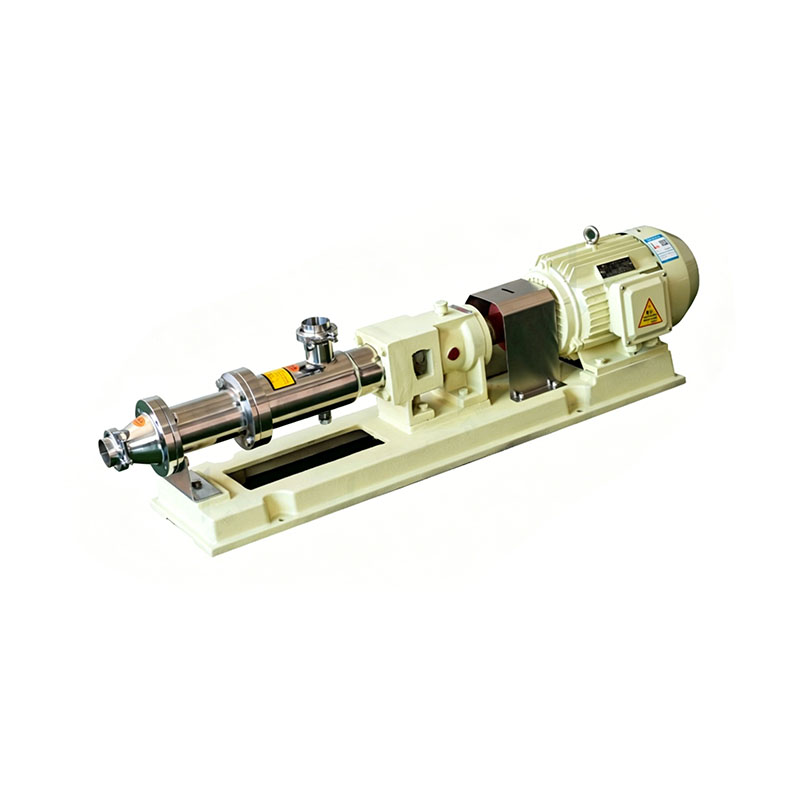
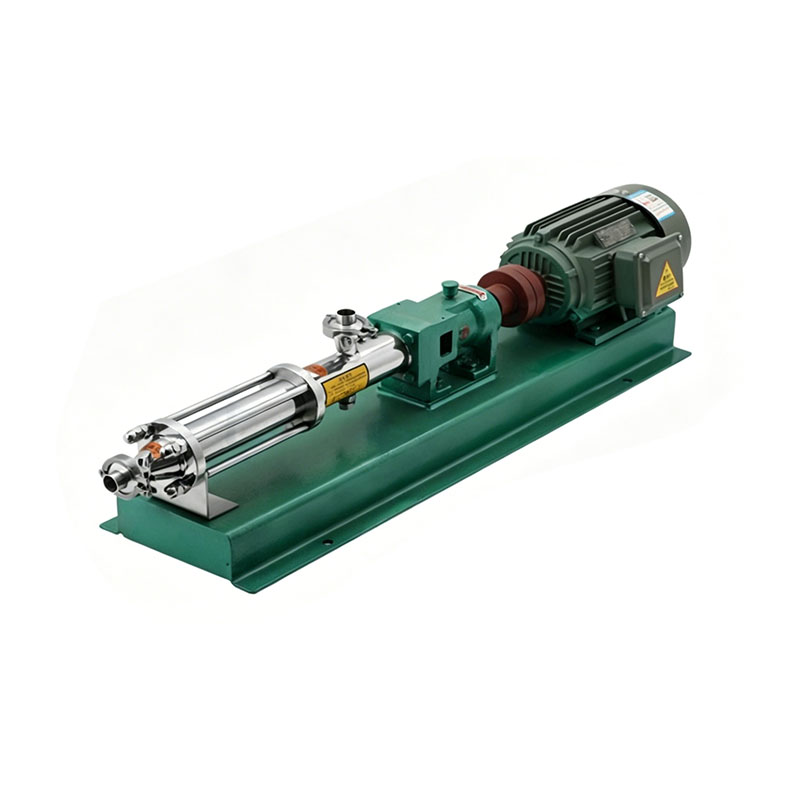
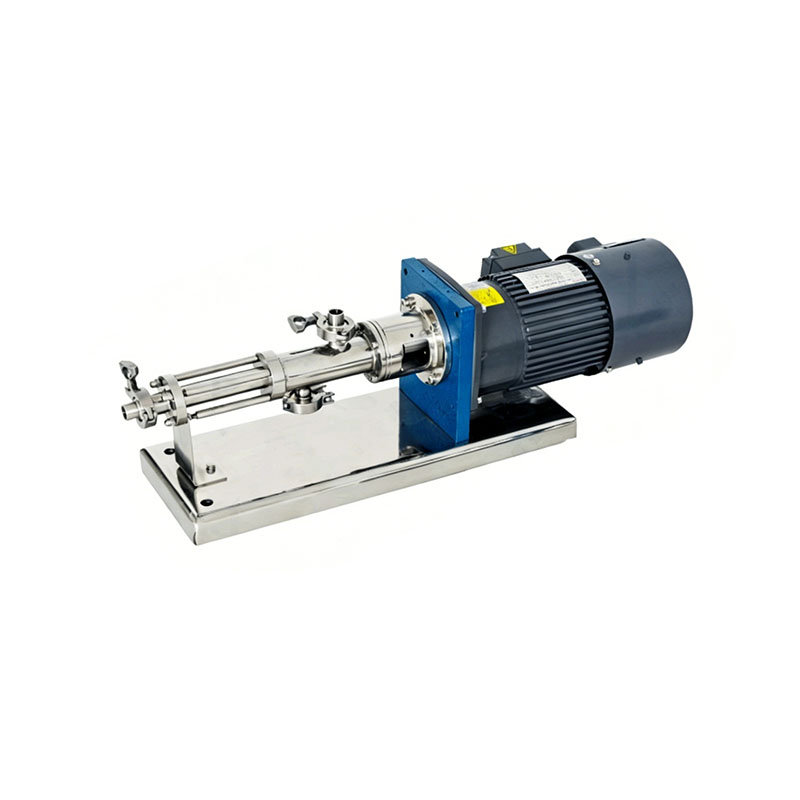
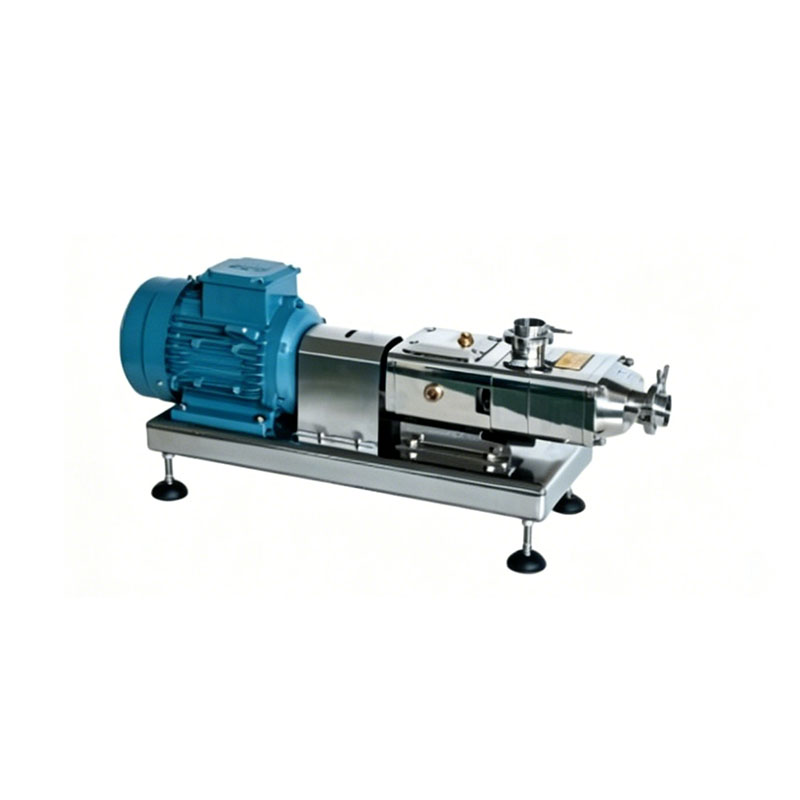
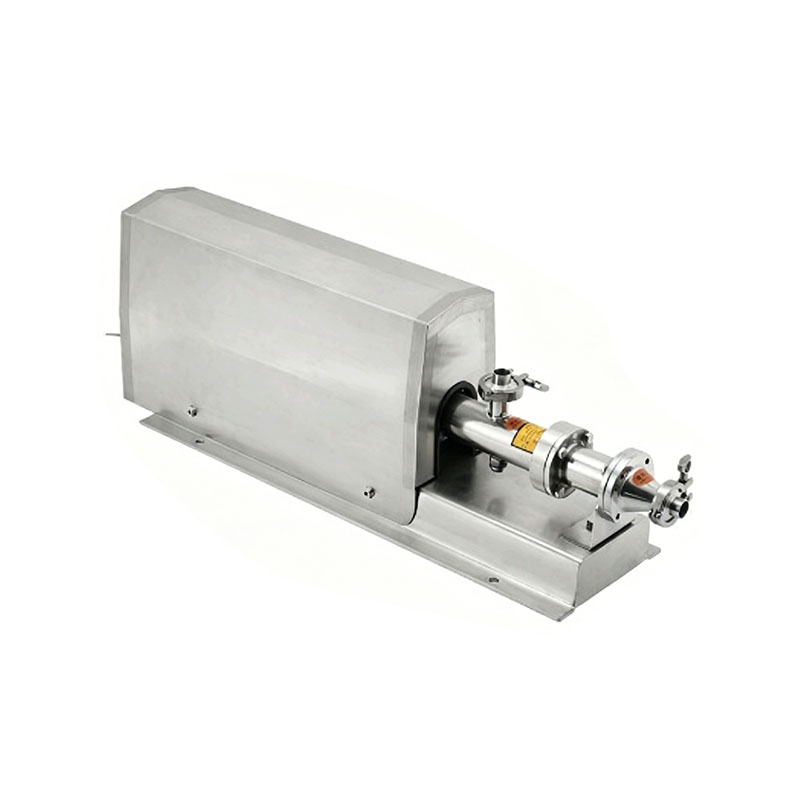
A Fruit Wine Screw Pump uses the interaction between the helical rotor and stator to transfer the product. As the rotor rotates, cavities form and move along the pump body. The fruit mash is carried forward through this movement.
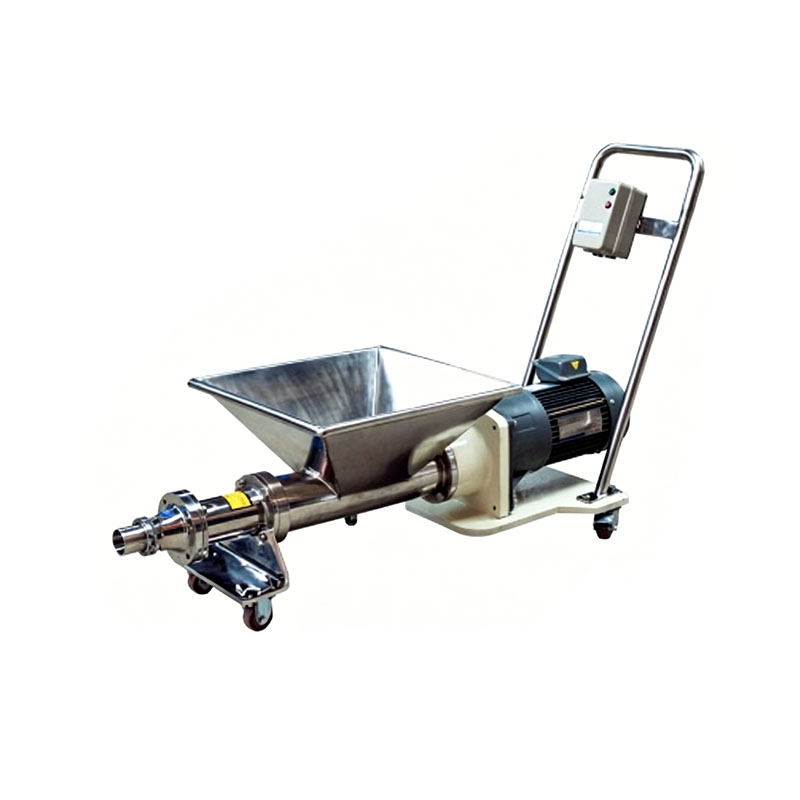
This design is suitable for applications where continuous transfer is required and the product contains a combination of liquid and soft solids. Depending on the pump configuration, applications can include fruit mash transfer, fermented fruit handling, fruit concentrate movement, and transfer of other viscous food materials.
Pump speed has a direct relationship with product movement. A variable speed drive can allow the pumping process to be adjusted according to the material condition and downstream equipment. Slower operation may be suitable for delicate materials, while the required operating speed can vary according to flow demand, pressure, viscosity, and system layout.
Self-priming performance can also be useful when the pump needs to draw material from a tank or hopper. For thicker fruit mash, an appropriate inlet and feeding arrangement can help maintain a steady supply to the pumping chamber.
Key Selection Factors for Fruit Mash Applications
When selecting a Fruit Wine Screw Pump for high viscosity fruit mash, the material should be examined before specifying the pump. Viscosity is an important consideration, but it is not the only one. The percentage and type of solids, particle structure, temperature, moisture content, and flow behavior can also affect pump selection.
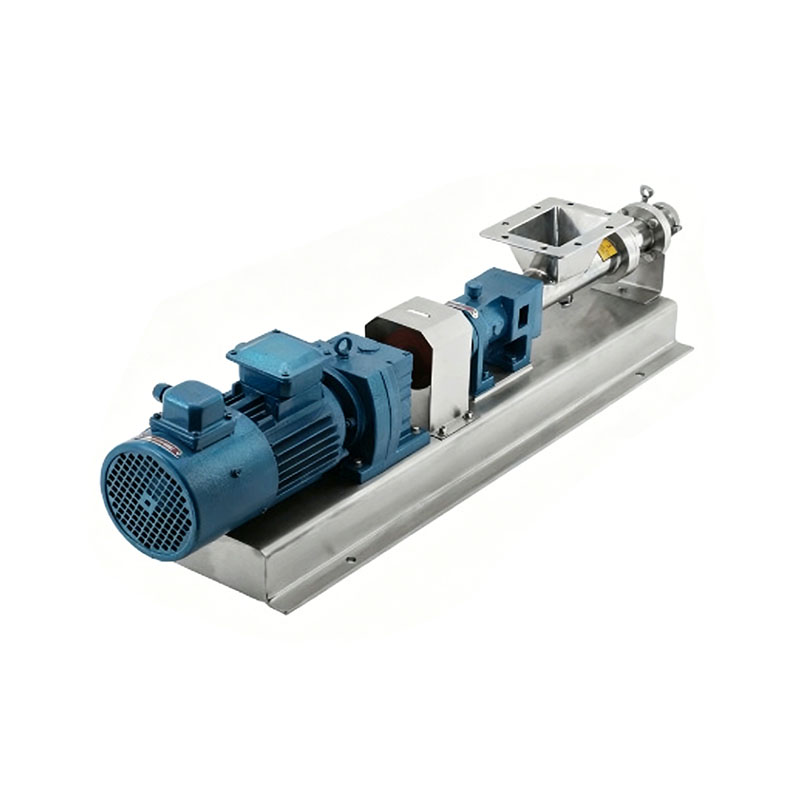
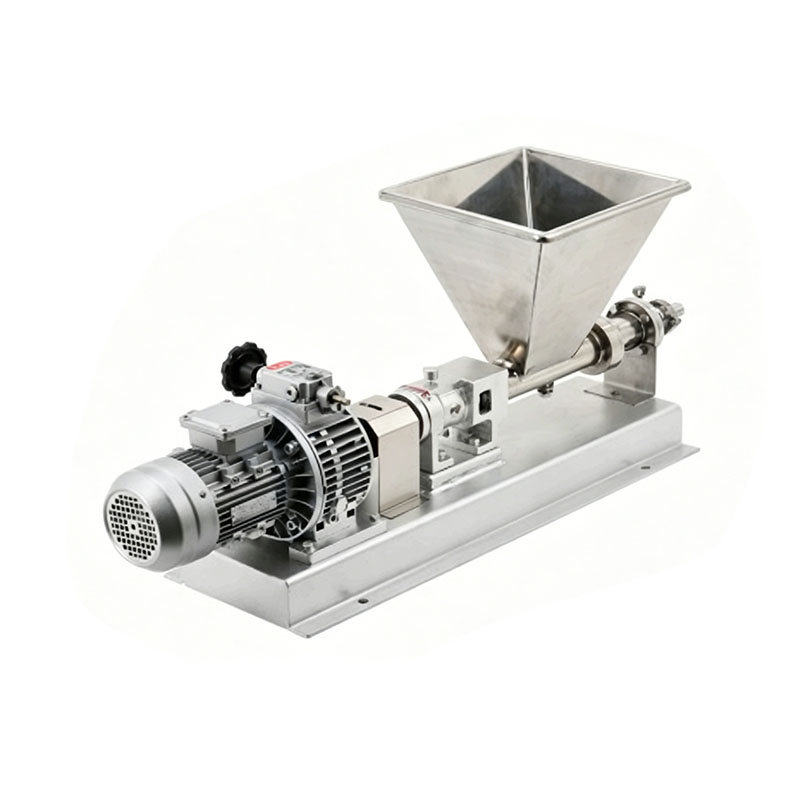
The inlet design deserves particular attention when working with thick materials. A hopper-fed configuration may be suitable for products that do not flow easily by gravity. The feeding structure can help move the material toward the rotor and stator section.
Rotor and stator materials should also correspond to the product and cleaning conditions. Seals need to be selected according to the fluid, temperature, cleaning agents, and operating environment.
Maintenance access is another practical consideration. Fruit mash can leave residue around product-contact areas, so a pump should allow inspection and cleaning according to the production process. Easy access to wear components can also simplify routine service when the pump operates frequently in fruit processing applications.