

 русский
  Español

Zhejiang Chixiang Technology Co., Ltd. is a modern fluid equipment manufacturing enterprise integrating R&D, design, production, sales and service.
Automated dispensing systems are used when materials need to be delivered to a specific location or process according to a controlled quantity. Adhesive application, sealing, coating, potting, filling, and material feeding are examples where controlled dispensing can support production consistency.
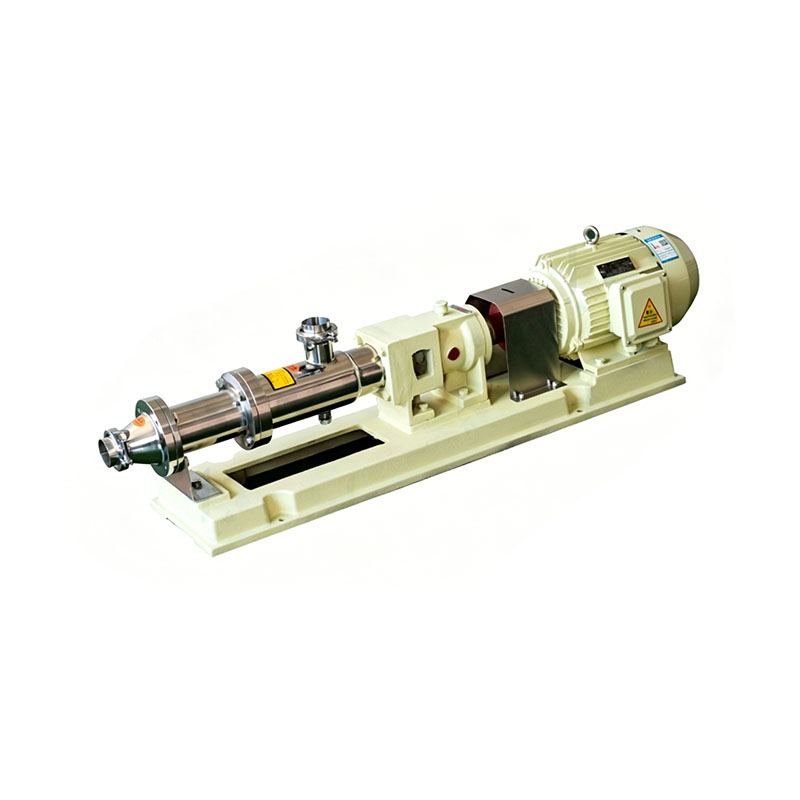
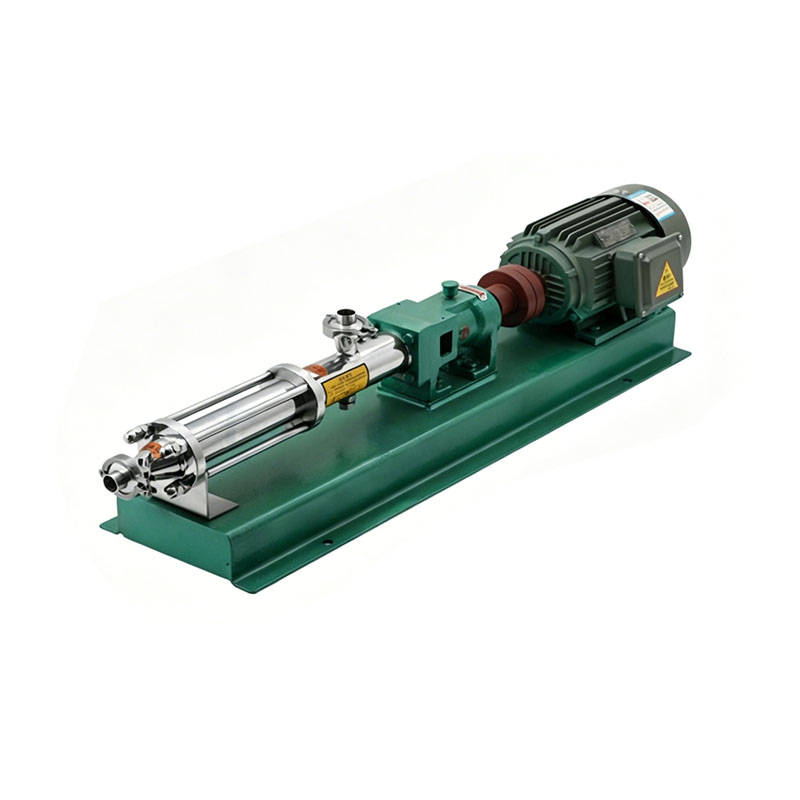
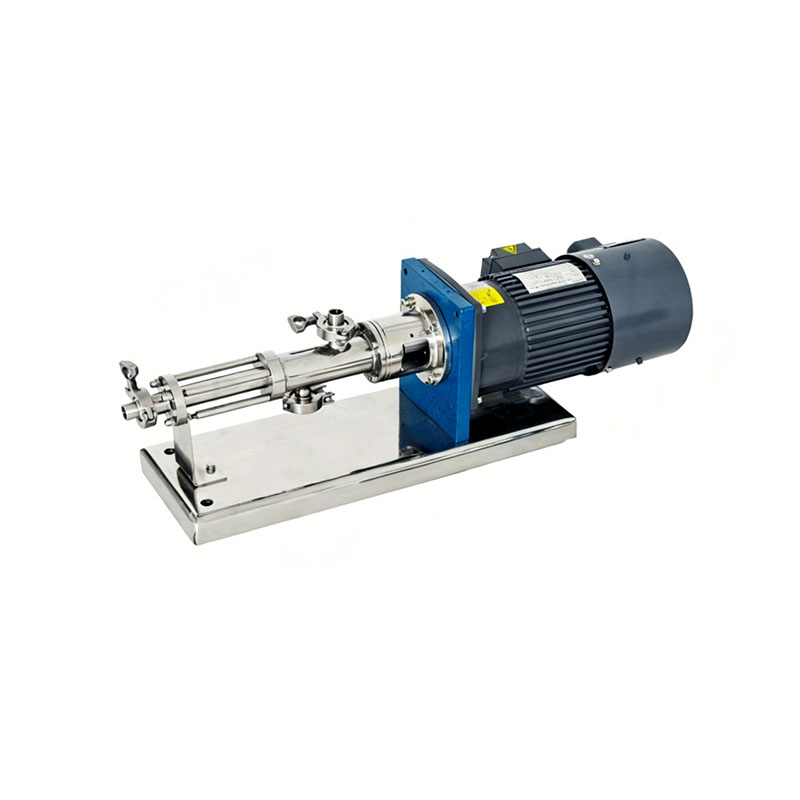
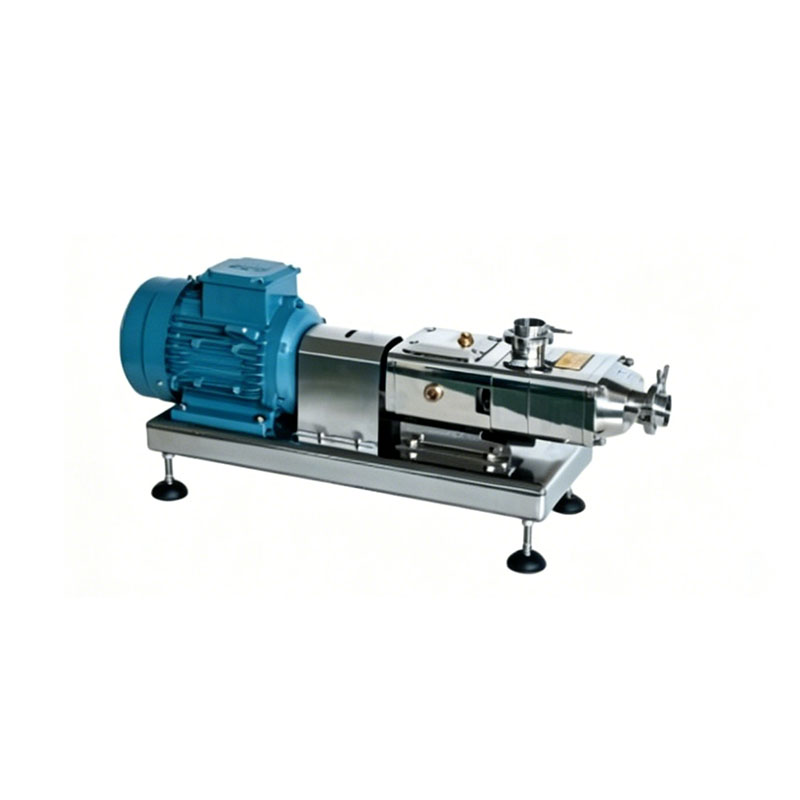
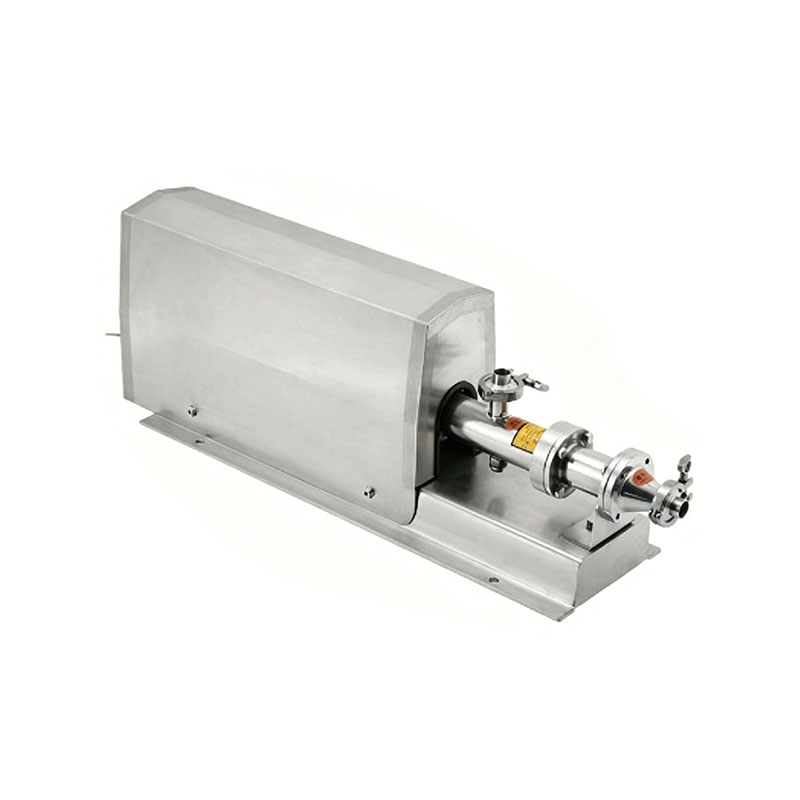
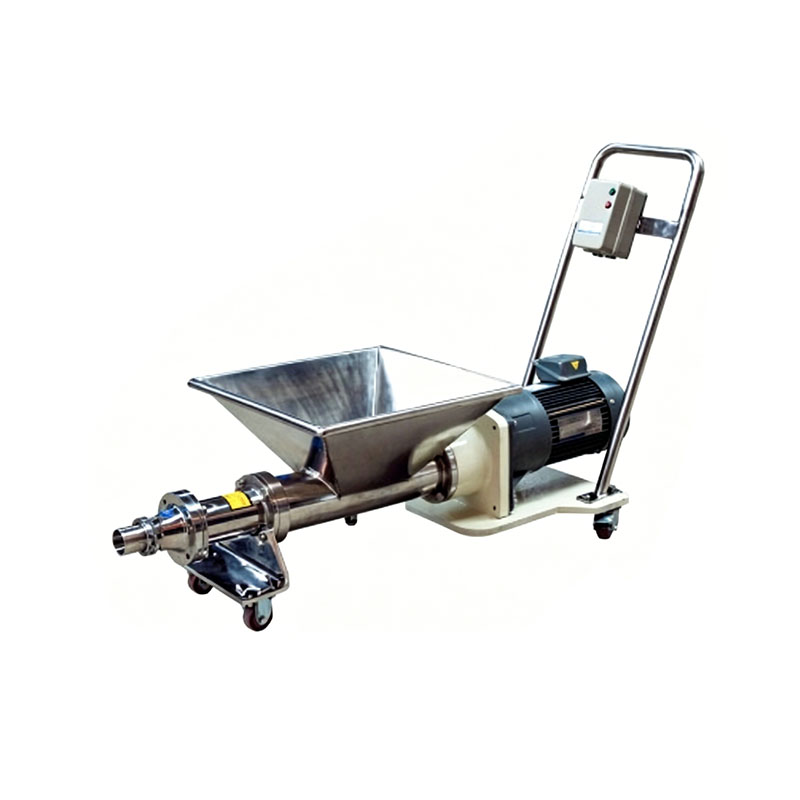
A Precision Dosing Screw Pump can provide volumetric material transfer through the relationship between rotor movement and material displacement. As the screw rotates, the material moves through the sealed cavities toward the outlet. This operating principle can support repeatable dosing when the pump is correctly configured for the material and process.
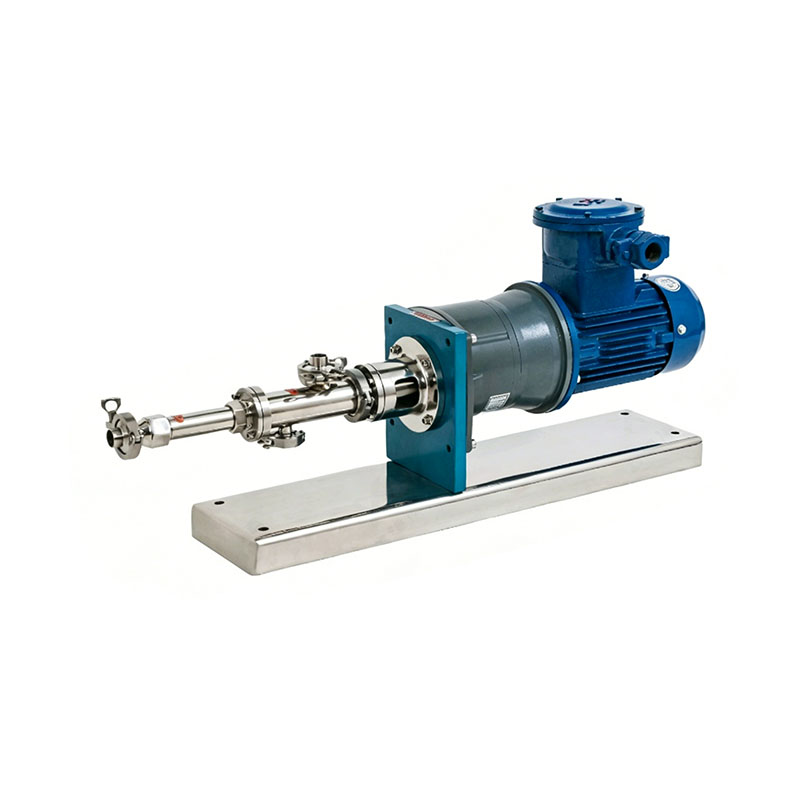
Automated dispensing also requires coordination between the pump and other equipment. The pump may need to start and stop according to a production signal, adjust speed according to a programmed setting, or work together with a dispensing nozzle or robotic movement system.
The required dosing method depends on the product. Some processes need continuous material delivery, while others require individual dispensing cycles. The control system should therefore be designed around the actual production sequence.
Connecting Pump Control With Automation Equipment
Motor control is an important part of automated dosing. By adjusting screw rotation speed, the system can regulate the material output according to the required dispensing condition. This allows the pump to work with a controller, PLC, or other automation equipment.
The control system can also coordinate the pump with production equipment. For example, a dispensing signal can activate the pump when a workpiece reaches the required position. After the required amount of material has been delivered, the control system can stop the pump or reverse the screw rotation when a back suction function is available.
Reverse rotation can help retract material remaining near the outlet. This can reduce dripping and stringing in suitable applications and can make the dispensing process cleaner. Such a function is particularly relevant when the material is viscous or when the dispensing point needs to remain clean between cycles.
Communication between the pump and automation equipment should also be considered. Control signals, motor drivers, sensors, emergency stop systems, and production monitoring equipment may all need to work together.
Factors for Production Line Integration
Before integrating a Precision Dosing Screw Pump into an automated dispensing system, buyers should define the material and process requirements.
The material specification can include viscosity, temperature, chemical characteristics, solids content, and curing behavior. These factors can influence the pump structure, rotor and stator materials, sealing system, and operating conditions.
The required flow rate is another key consideration. Small volume dispensing may require fine speed adjustment and a suitable outlet configuration, while continuous material feeding may require a different pump arrangement.
Inlet and outlet connections should also match the surrounding equipment. Hose length, pipe diameter, nozzle design, and installation position can affect material movement between the pump and dispensing point.
Maintenance access should be considered during equipment layout. Operators may need to clean the outlet, replace the rotor or stator, inspect sealing components, or change the processed material. A practical installation should provide enough working space for these tasks.
Automation integration is therefore not limited to connecting a motor to a controller. The pump, material supply, dispensing outlet, control system, production sequence, and maintenance structure need to function as one system. This approach can help create a more consistent material dispensing process for industrial production.